
Home Page

A Night at the Telescope

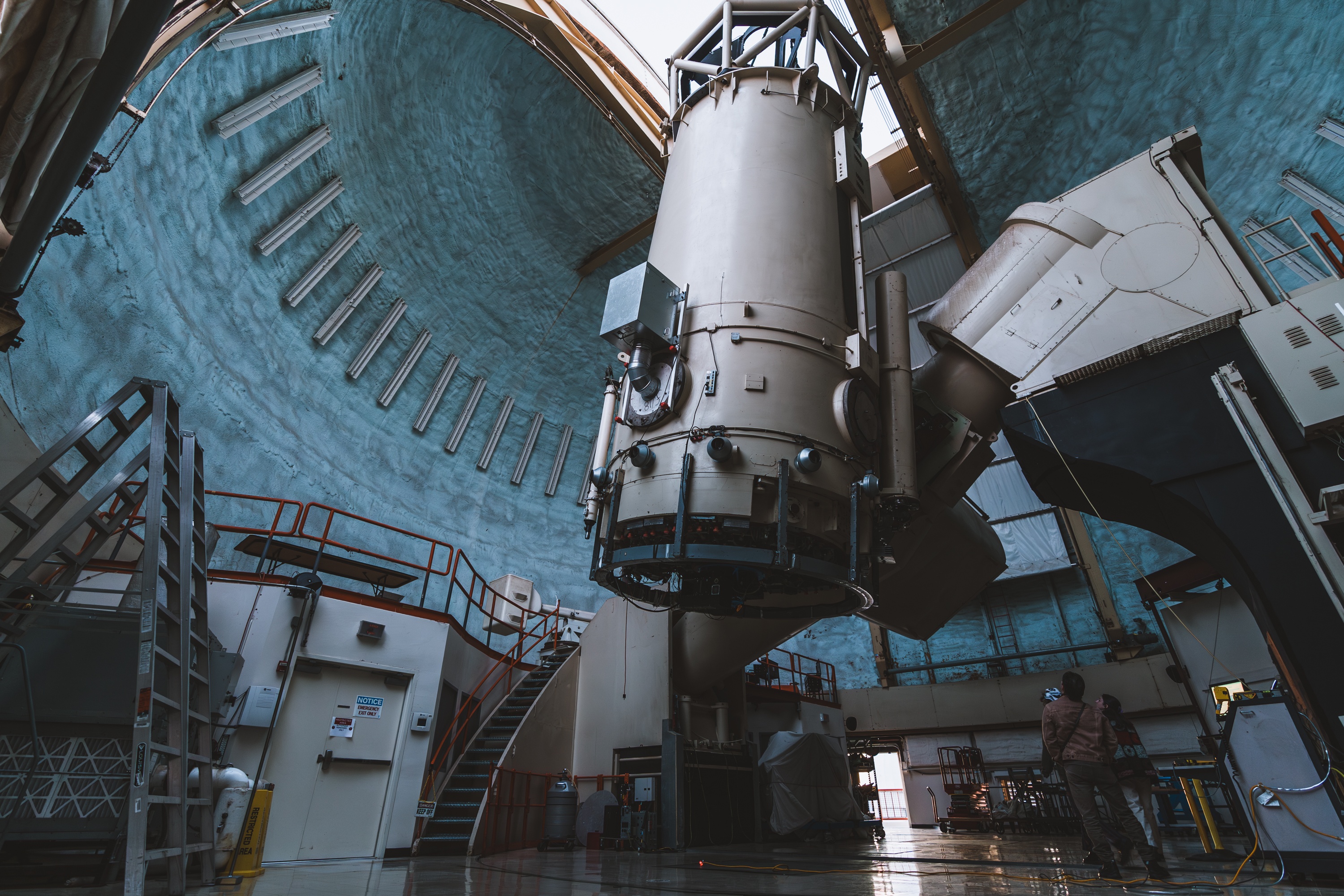
A group of astronomy undergraduate students from the University of Texas at Austin is invited to “test drive” the 107 inch Harlan J. Smith telescope at the McDonald Observatory. As Harlan J. Smith Scholars, the students are tasked with investigating a distant globular cluster and determining whether it may contain a black hole.

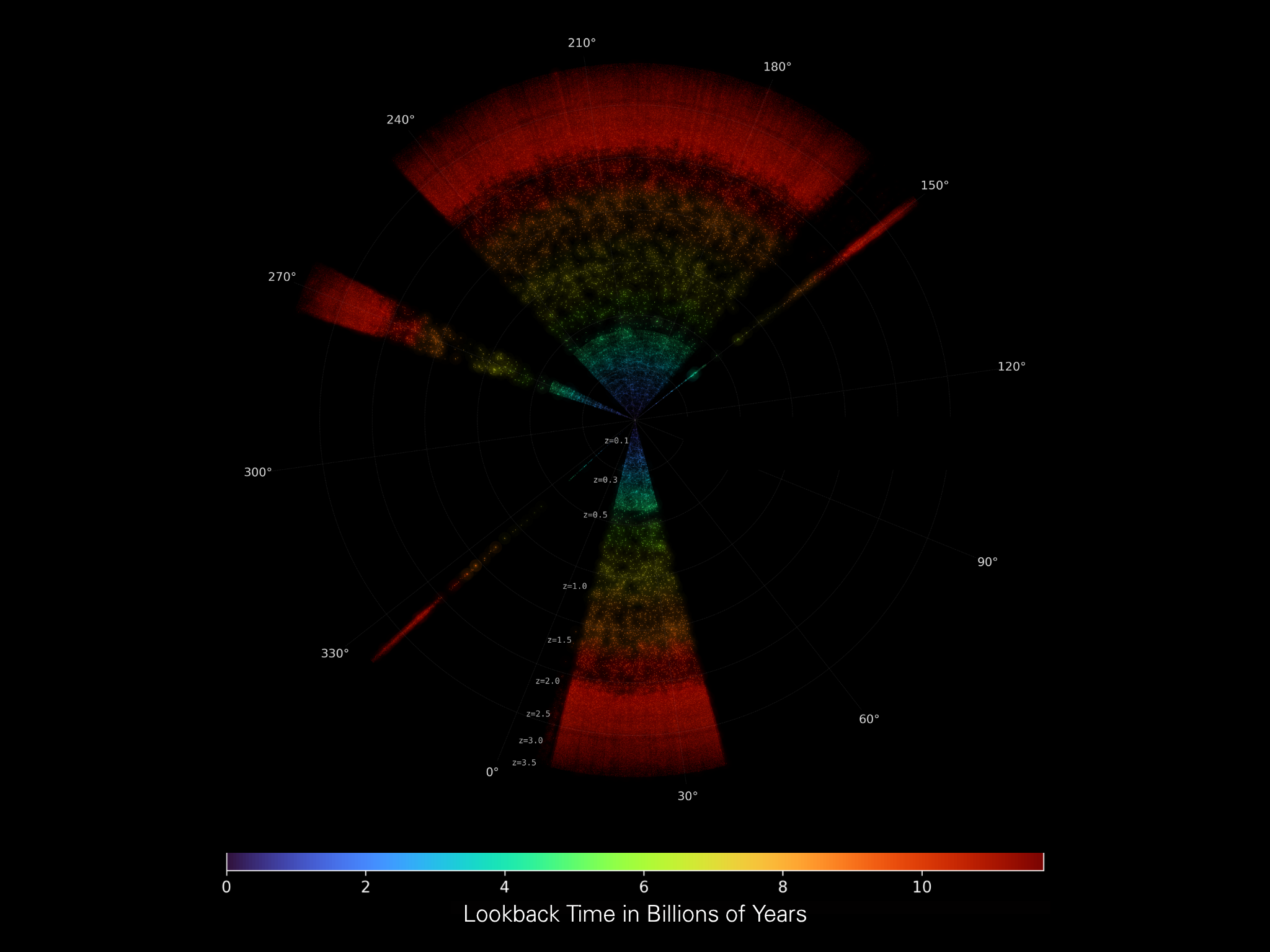
Astronomers Thought the Early Universe Was Full of Hydrogen. Now They’ve Found It.

Astronomers using data from the Hobby–Eberly Telescope Dark Energy Experiment (HETDEX) have discovered tens of thousands of gigantic hydrogen gas halos, called “Lyman-alpha nebulae,” surrounding galaxies 10 billion to 12 billion years ago. Known as Cosmic Noon, this is an epoch in the early universe when galaxies were growing their fastest. To spur this growth, they would have needed access to vast reservoirs of hydrogen gas, a key building block for stars. However, until recently, astronomers had only found a handful of these essential structures.

Help Renovate Our Visitors Center - Gifts Being Matched!

As our Frank N. Bash Visitors Center enters its third decade in service, we’ve started an extensive renovation of its public spaces. You are invited to be part of this transformative project by contributing to its funding. All gifts are currently being matched by sponsors!

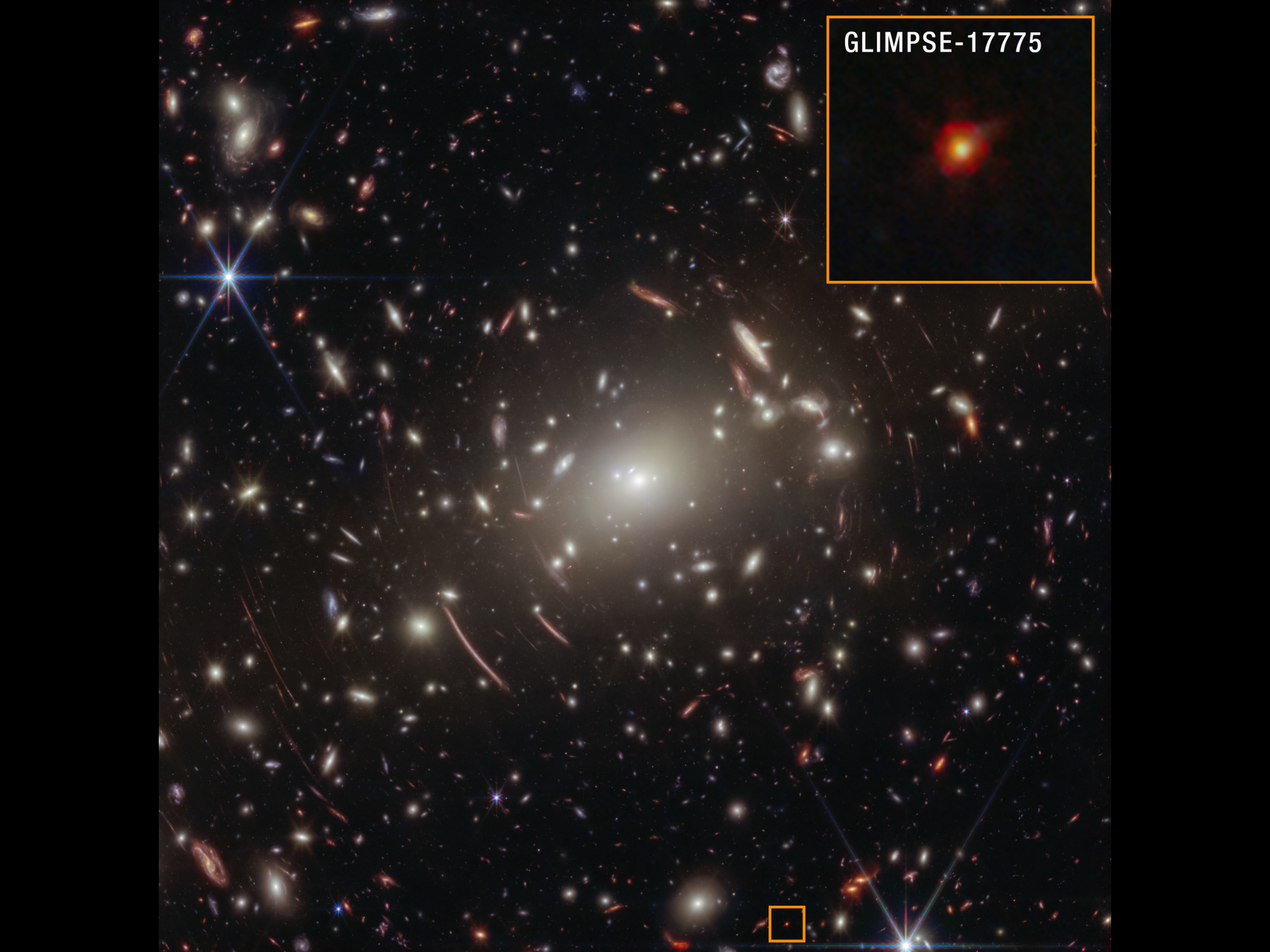
Little Red Dots: New Clues from the Early Universe

The launch of NASA's James Webb Space Telescope (JWST) in 2021 pushed the horizon of seeing the early universe, unveiling cosmic events just a few hundred million years after the Big Bang. Among the most striking discoveries are supermassive black holes—some reaching 100 million times the mass of our Sun.