
West Texas Businesses Preserve Night Sky – One Light Bulb at a Time
By Emily Howard
August 15, 2023
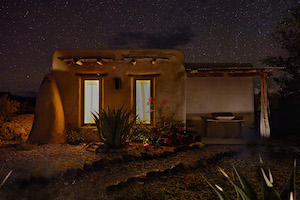
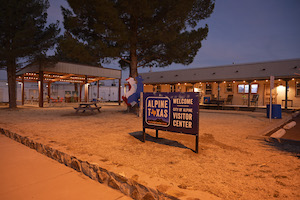
McDonald Observatory’s Dark Skies Initiative recognizes five West Texas businesses and public organizations for adopting night sky friendly lighting practices. The Alpine Visitor Center, Alpine Public Library, Marfa Visitor Center, RoadRunner Travelers RV Park in Terlingua, and Ghost Town Casitas hotel in Terlingua all worked with the Observatory to reduce disruptive lighting on their properties and help protect the region’s famous night skies.
“We’re fortunate to have such a special place out here,” says Coleman Davis, owner of Ghost Town Casitas. “And we are more than happy to help play a role in preserving dark skies for everyone.”
West Texas has long been a popular travel destination, thanks in part to its night skies. Many of the region’s top attractions – McDonald Observatory, Big Bend National Park, Big Bend Ranch State Park, and more – feature public programs that connect visitors to wide open, star-filled skies.
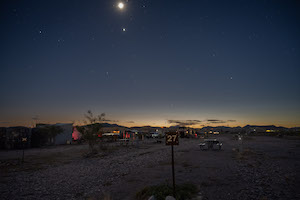
However, as tourism increases, it threatens to dim those stars. “There have been many concerns within the local community that with growing tourism and more development comes more light pollution,” says Stephen Hummel, Dark Skies Initiative coordinator at McDonald Observatory. “That light pollution impacts the charm of what drew people to this area in the first place.”
That light pollution can also impact McDonald Observatory’s ability to conduct scientific research.
McDonald Observatory Helps Properties Improve Lighting
To help protect the night sky it depends upon, the Observatory established the Dark Skies Initiative in 2011 to raise awareness and adoption of night sky friendly lighting practices in Jeff Davis, Brewster, Presidio, Culberson, Pecos, Reeves, and Hudspeth counties.
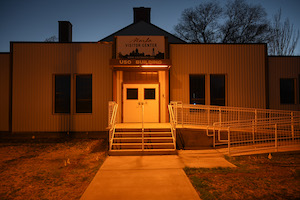
Recommended outdoor lighting practices include:
- Shielding lightbulbs and aiming them down
- Choosing amber-colored lights
- Limiting the intensity of light
- Turning off lights when they are not needed
The Dark Skies Initiative works with properties to implement these night sky friendly lighting practices. And in 2021, it established a recognition program to certify those that do. Since then, it has certified 19 properties, ranging from vacation rentals, to courthouses, to oil and gas facilities.
As awareness of the initiative grows, an increasing number of the organizations catering to the tourism industry are taking steps to ensure their properties don’t impact the star-filled views that bring many of their visitors. “Thanks to these properties using night sky friendly lighting,” says Hummel, “they are not only helping to preserve our dark skies, but also the broader economy of the region.”
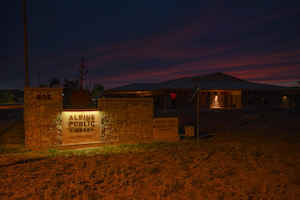
Protecting the Darkest Skies in the Continental U.S.
McDonald Observatory and the five most recent properties recognized by its Dark Skies Initiative all reside within the Greater Big Bend International Dark Sky Reserve. Covering more than 15,000 square miles in West Texas and North Mexico, the reserve is the largest dark sky area in the world certified by DarkSky International. It features the darkest night skies in the continental United States.
In addition to its appeal to visitors, the low levels of light pollution have positive impacts on the Observatory’s ability to conduct its research; the health of humans, wildlife, and the environment; and the area’s natural beauty.
“Alpine is really proud of the Visitor Center updates,” says Chris Ruggia, director of tourism for the City of Alpine. “And we especially love that we can put some skin in the game towards protecting our night sky in the largest dark sky reserve in the world!”
Nominate – or Become – a Night Sky Friendly Property
If you have or know of a property that follows night sky friendly lighting practices, you can nominate it to be recognized by the Dark Skies Initiative. Nominees do not need to perfectly conform to the recommended lighting guidelines to be considered – McDonald Observatory can provide guidance and assistance.
The Observatory hopes to eventually work with each of its neighbors in the Greater Big Bend International Dark Sky Reserve. As Hummel explains, “It only works if everyone is involved and engaged in preserving the night sky.”
Related Posts
January 8, 2025
New Energy Industry Guidelines Help Protect Night Sky
Protecting the night sky is a collaborative endeavor – one The University of Texas at Austin’s McDonald Observatory has helped lead in West Texas since the launch of its Dark Skies Initiative in 2010. Now, oil and gas facilities in nearby New Mexico […]
April 6, 2023
McDonald Observatory Celebrates One-Year Anniversary of Greater Big Bend International Dark Sky Reserve
This week, McDonald Observatory and numerous partners join in celebrating the first anniversary of the Greater Big Bend International Dark Sky Reserve. Covering more than 15,000 square miles in Texas and Mexico, the Reserve is the largest dark sky place […]
July 20, 2022
McDonald Observatory Works with Catalyst Midstream Partners to Protect Dark Skies
West Texas and the Big Bend region are known for their starry night skies, made possible in part due to ongoing efforts to preserve them. Recently, McDonald Observatory and the non-profit organization Texan by Nature recognized the efforts of Catalyst […]