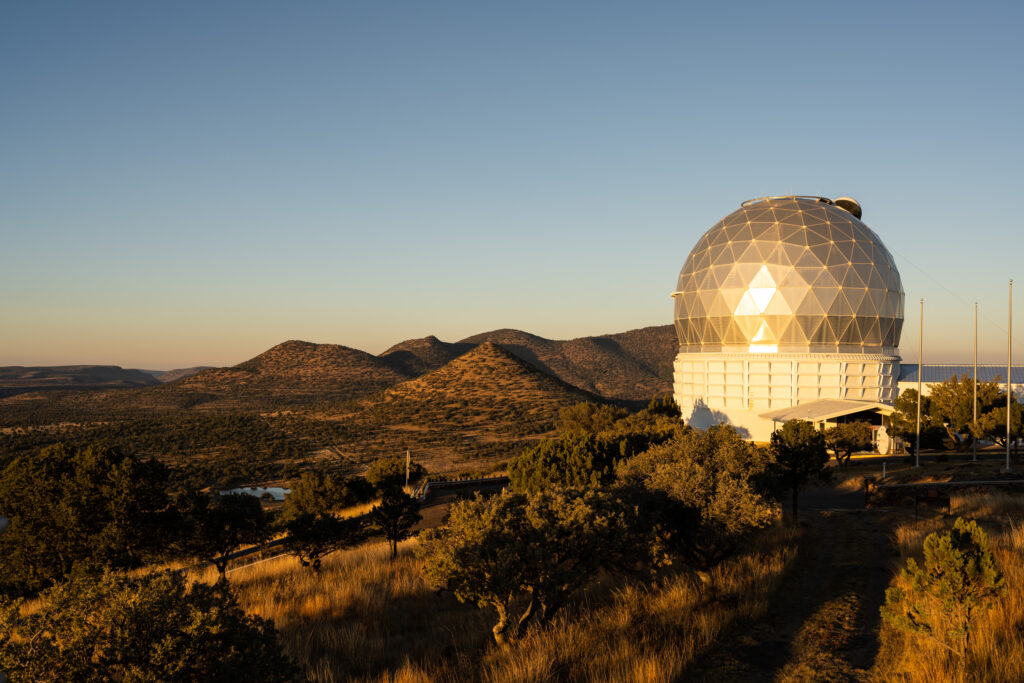
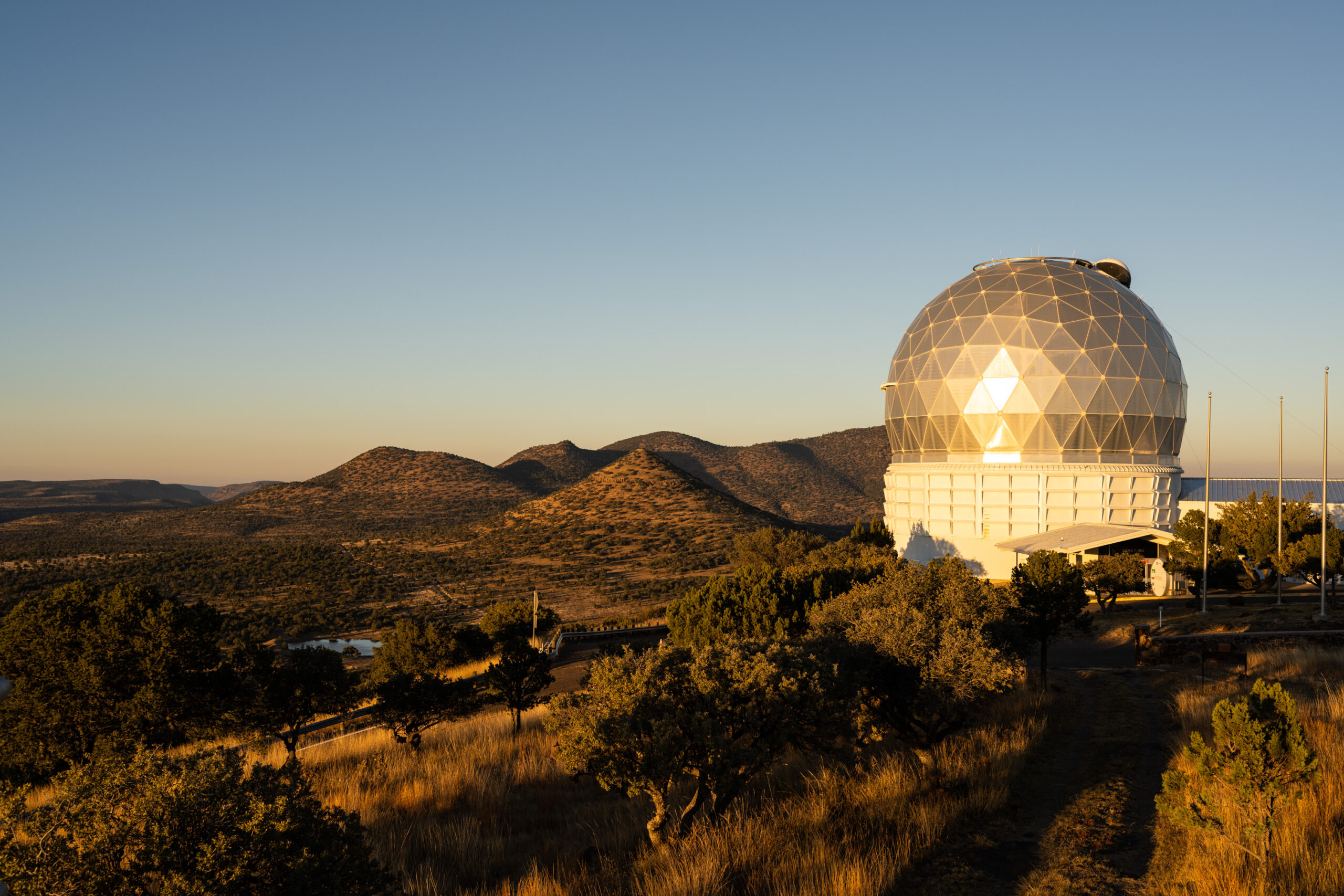
With its 10-meter mirror, the HET is one of the world’s largest optical telescopes. First dedicated in 1997, the telescope underwent a complete and extensive upgrade in 2017. The HET is optimized for spectroscopy, the decoding of light from stars and galaxies to study their properties. This makes it ideal for searching for planets around other stars, as well as probing distant galaxies, exploding stars, black holes, and more.
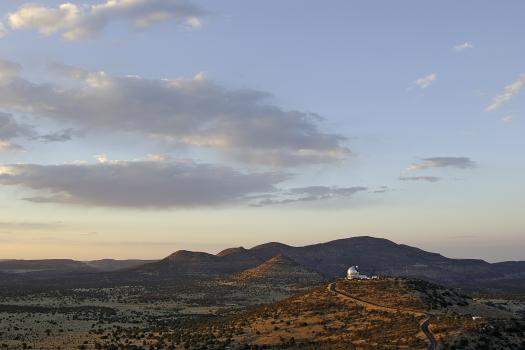
Hobby-Eberly Telescope in the Landscape
The Hobby-Eberly Telescope sits atop Mount Fowlkes in the Davis Mountains of West Texas. Credit: Bill Nowlin Photography
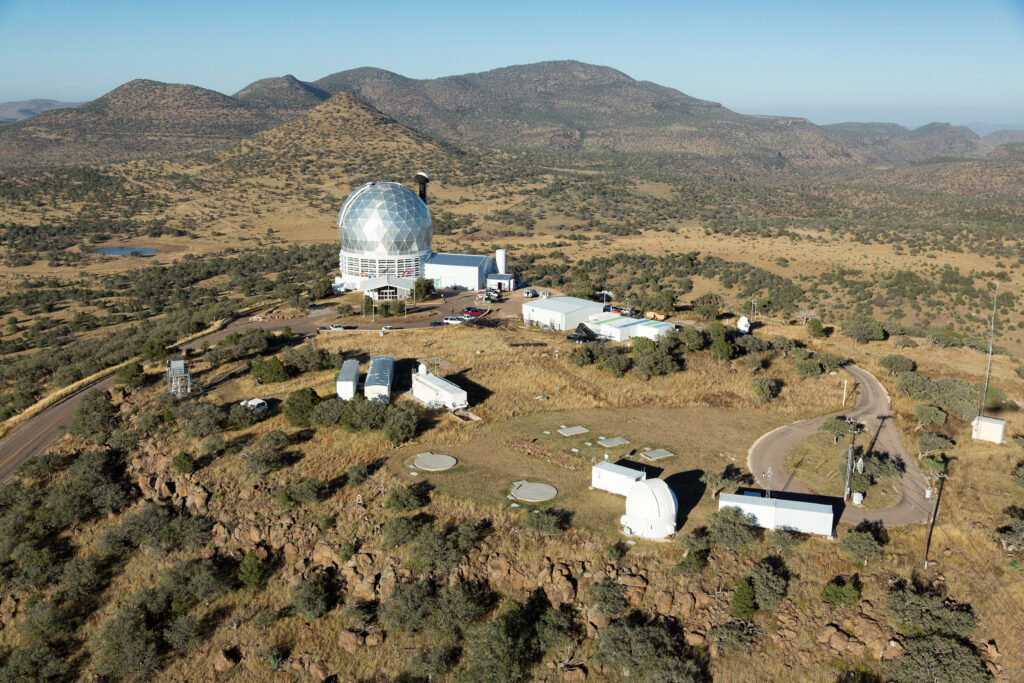
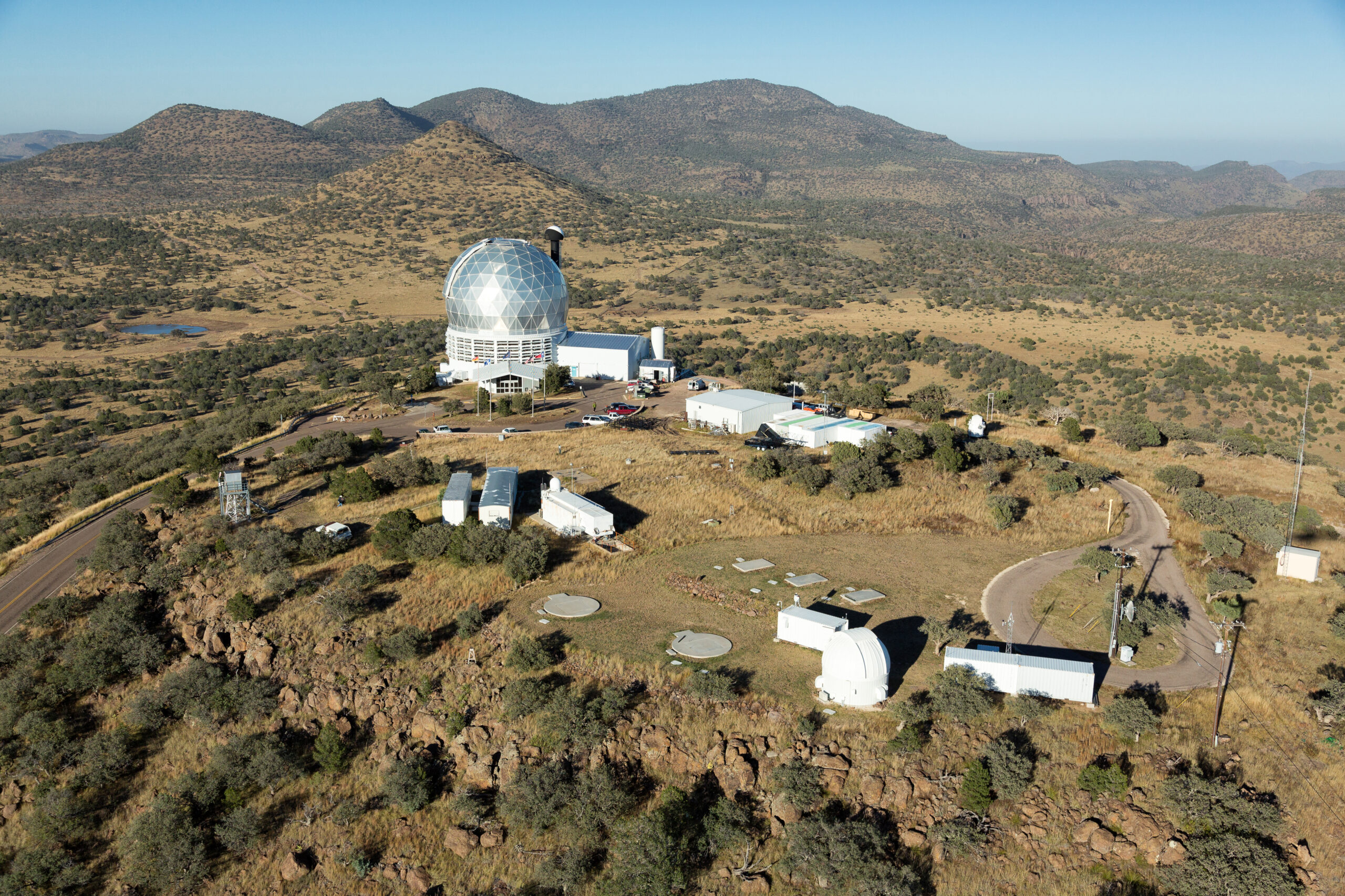
View of Mt. Fowlkes
The summit of Mt. Fowlkes features the Hobby-Eberly Telescope, as well as the McDonald Laser Ranging Station, the ROTSE/IIIb telescope, a 1-meter telescope of the Las Cumbres Observatory Global Network Group (small dome in foreground), and several other instruments and workshops. Credit: Ethan Tweedie Photography
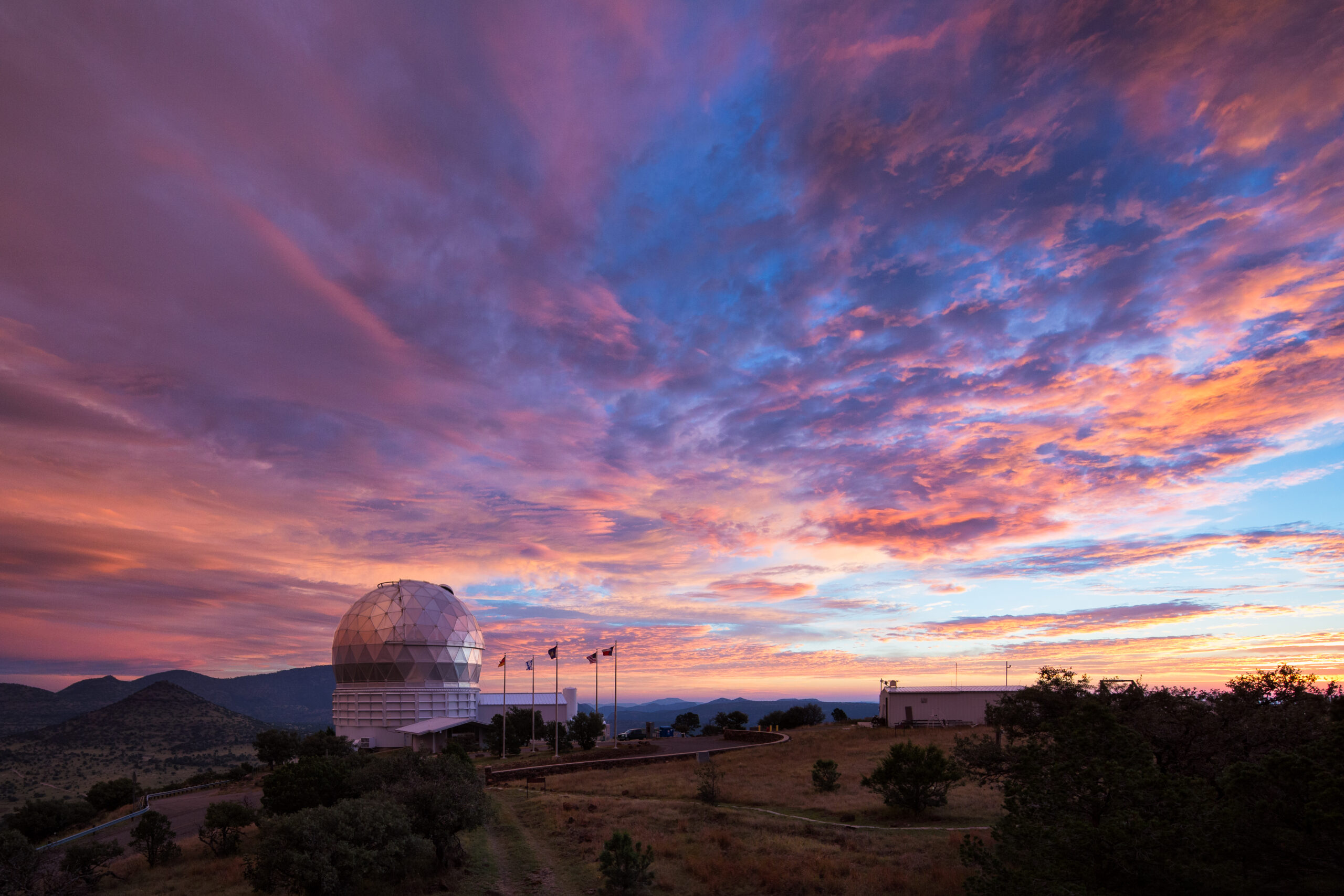
Hobby-Eberly Telescope with Pink Sunrise
The dome of the Hobby-Eberly Telescope below a beautiful West Texas sunrise. Credit: Ethan Tweedie Photography
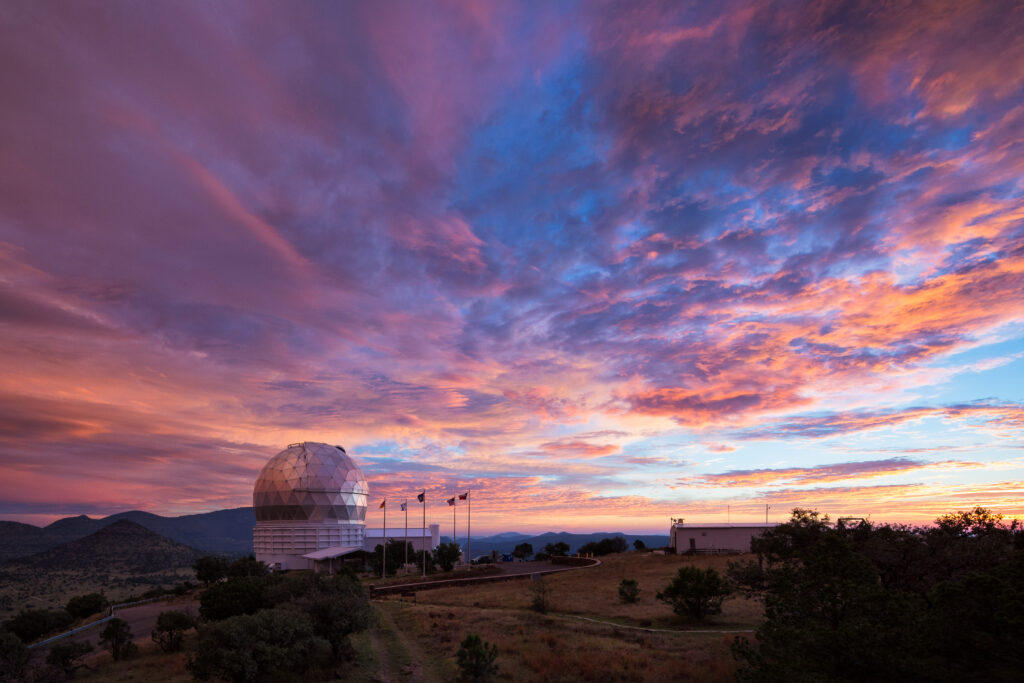
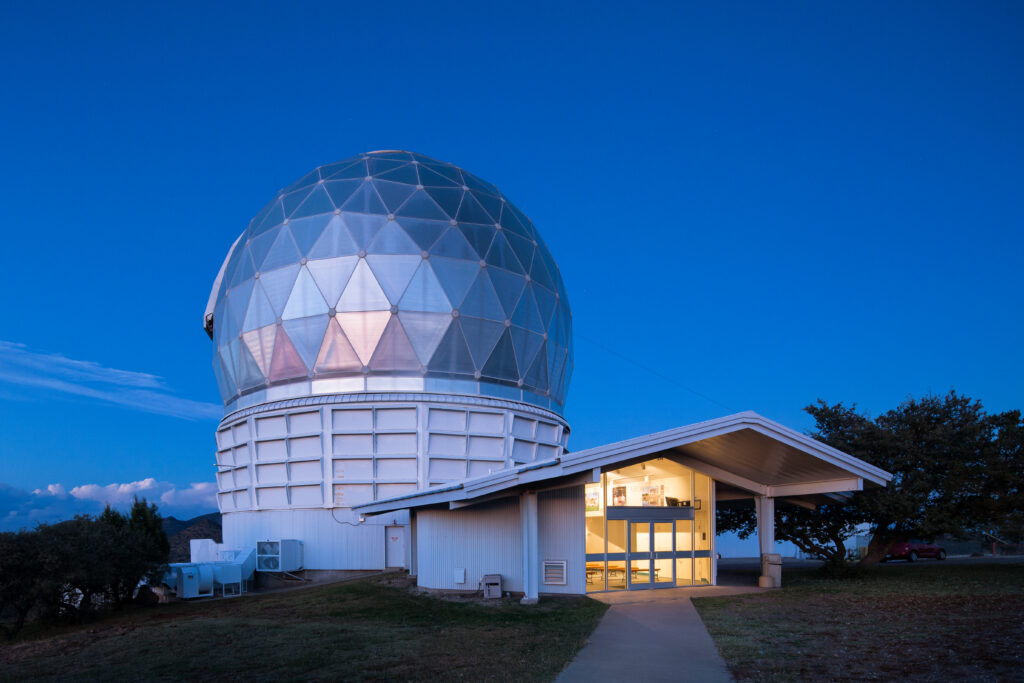
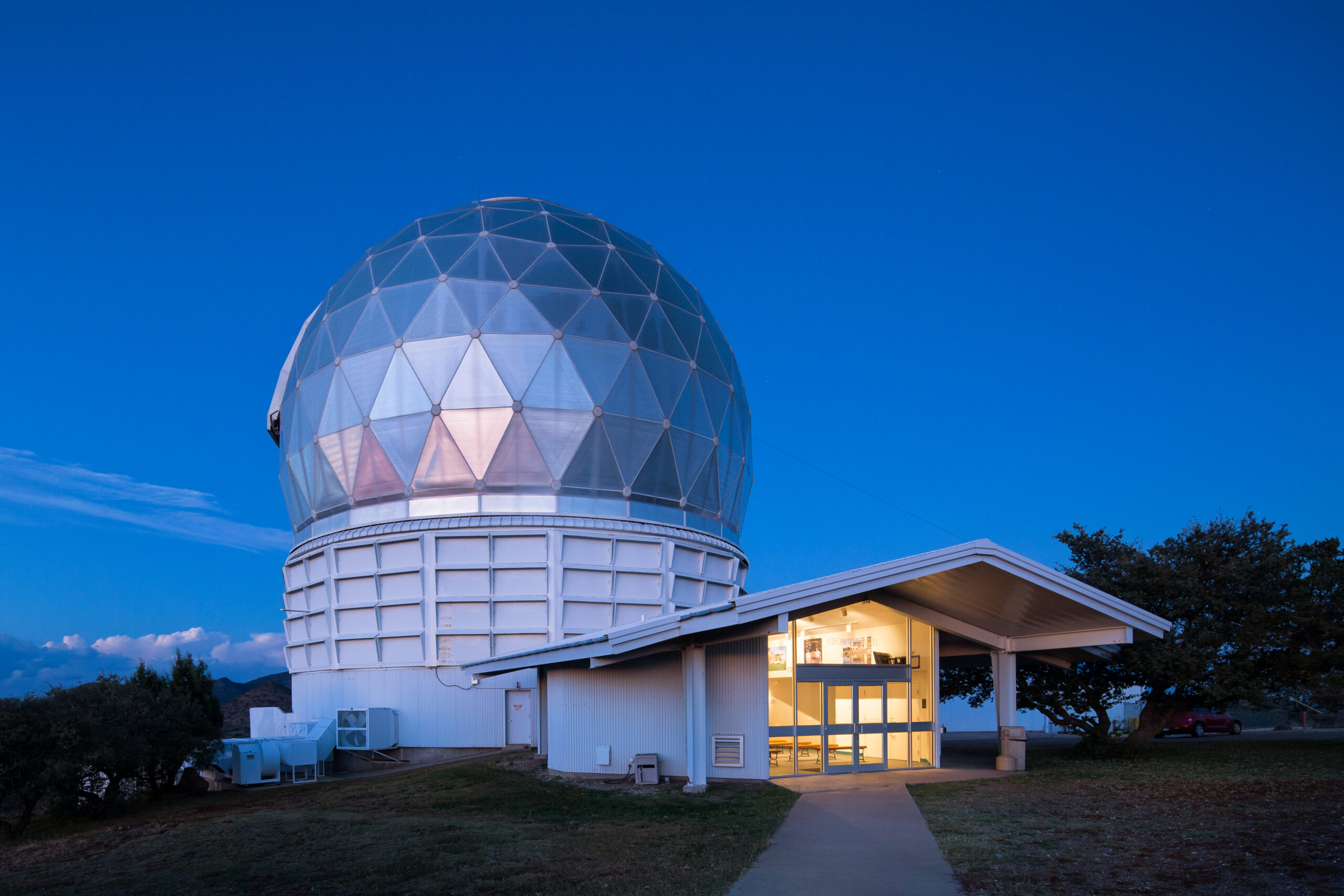
HET with George T. Abell Gallery
The dome of the Hobby-Eberly Telescope sits in front of a backdrop of blue sky at twilight. The interior of the George T. Abell Gallery, where visitors can learn about HET and view the telescope, is illuminated. (Note: The gallery is not open to the public at night). Credit: Ethan Tweedie Photography
Hobby-Eberly Telescope
Dusk at the Hobby-Eberly Telescope. Credit: Ethan Tweedie Photography
Working on HET 4
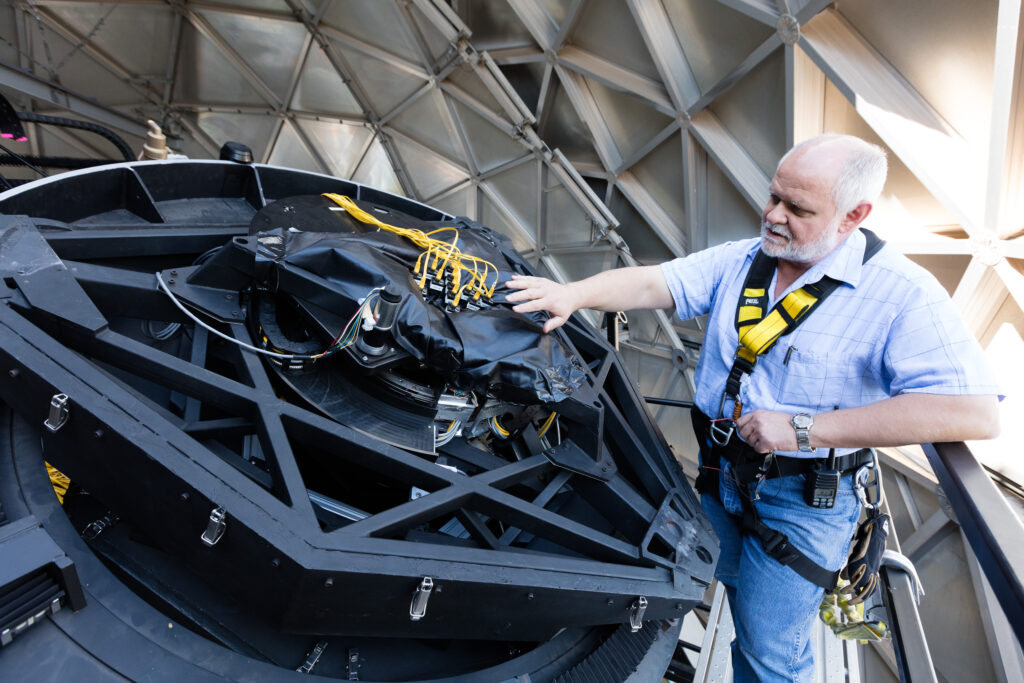
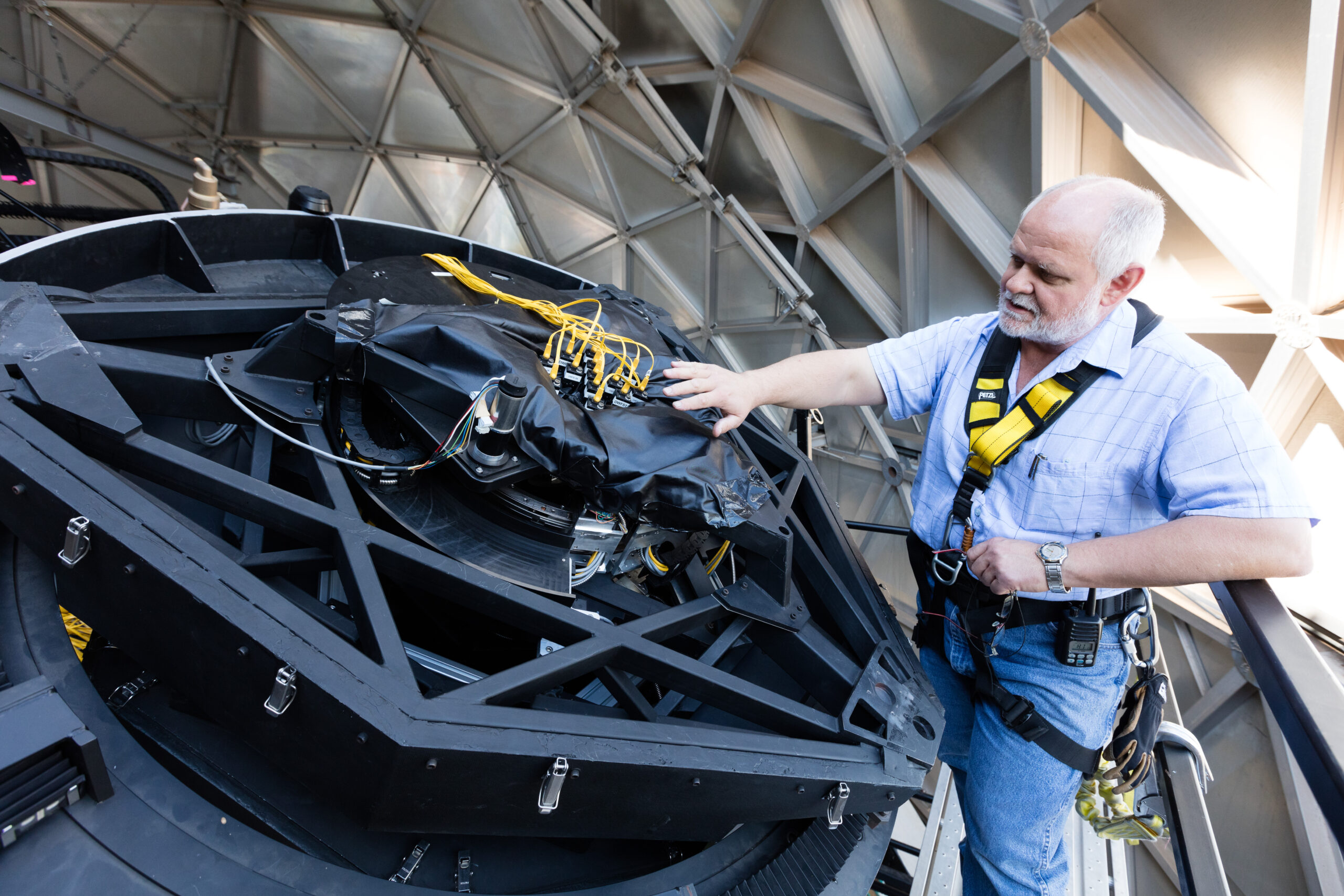
Hobby-Eberly Telescope site manager Herman Kriel works on the telescope. Credit: Ethan Tweedie Photography
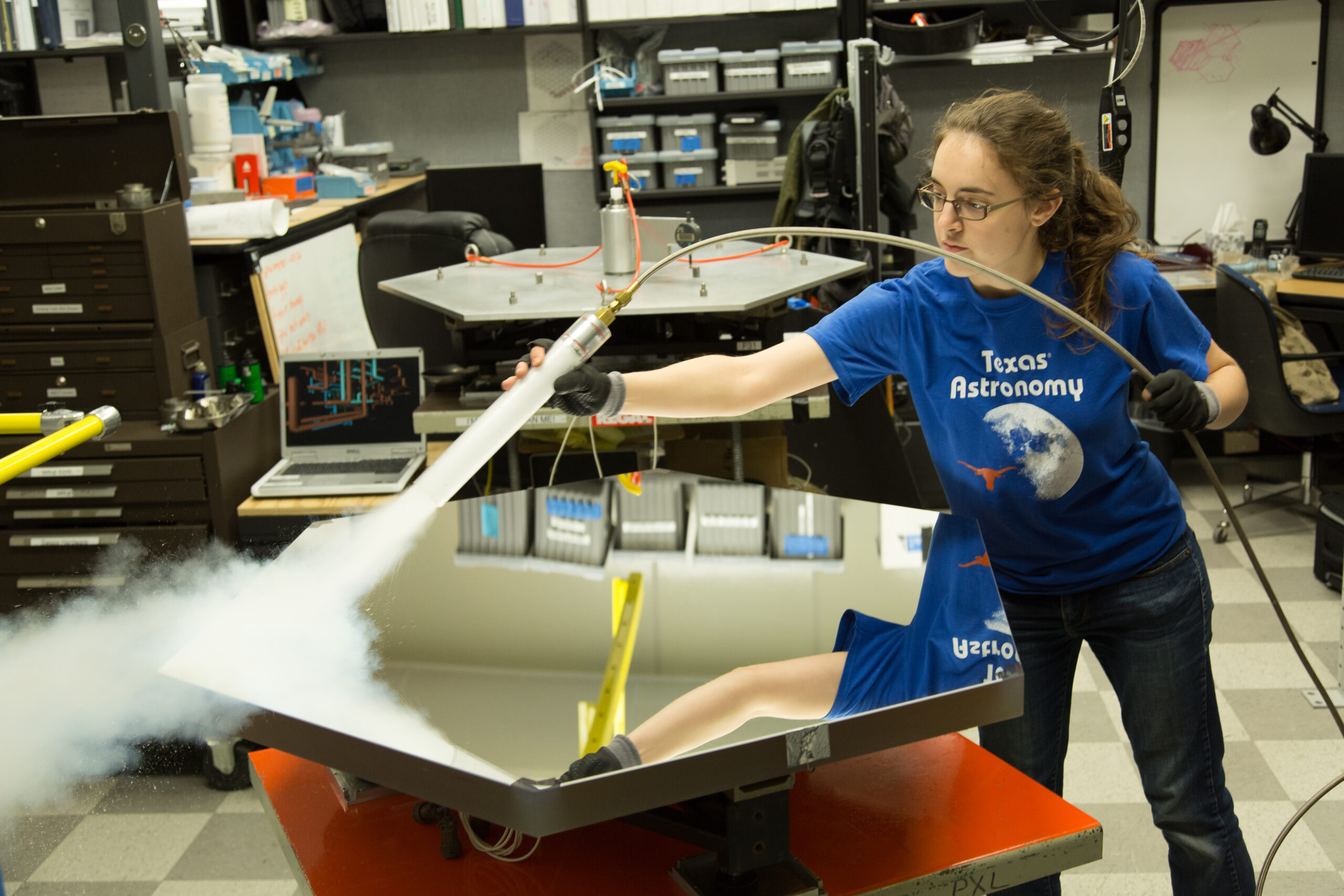
Cleaning HET's Mirrors
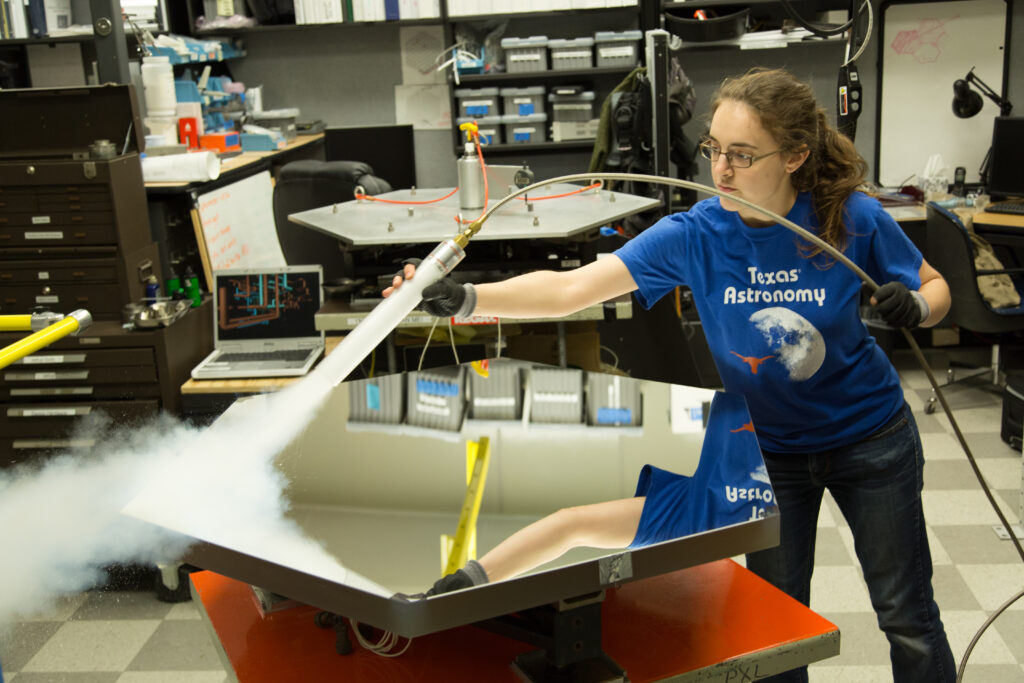
Hobby-Eberly Telescope staffer Amanda Turbyfill cleans one of HET's 91 hexagonal mirror segments by spraying it with dry ice. The small pellets of frozen carbon dioxide are abrasive enough to clear off dirt and bugs, but won't scratch the mirror. Credit: Ethan Tweedie Photography
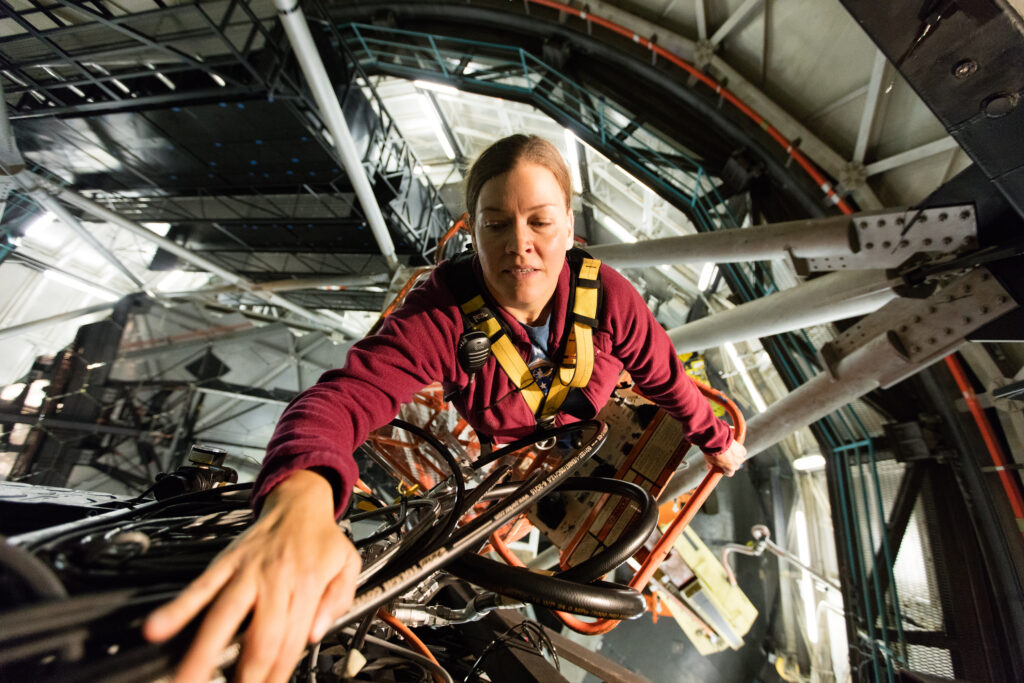
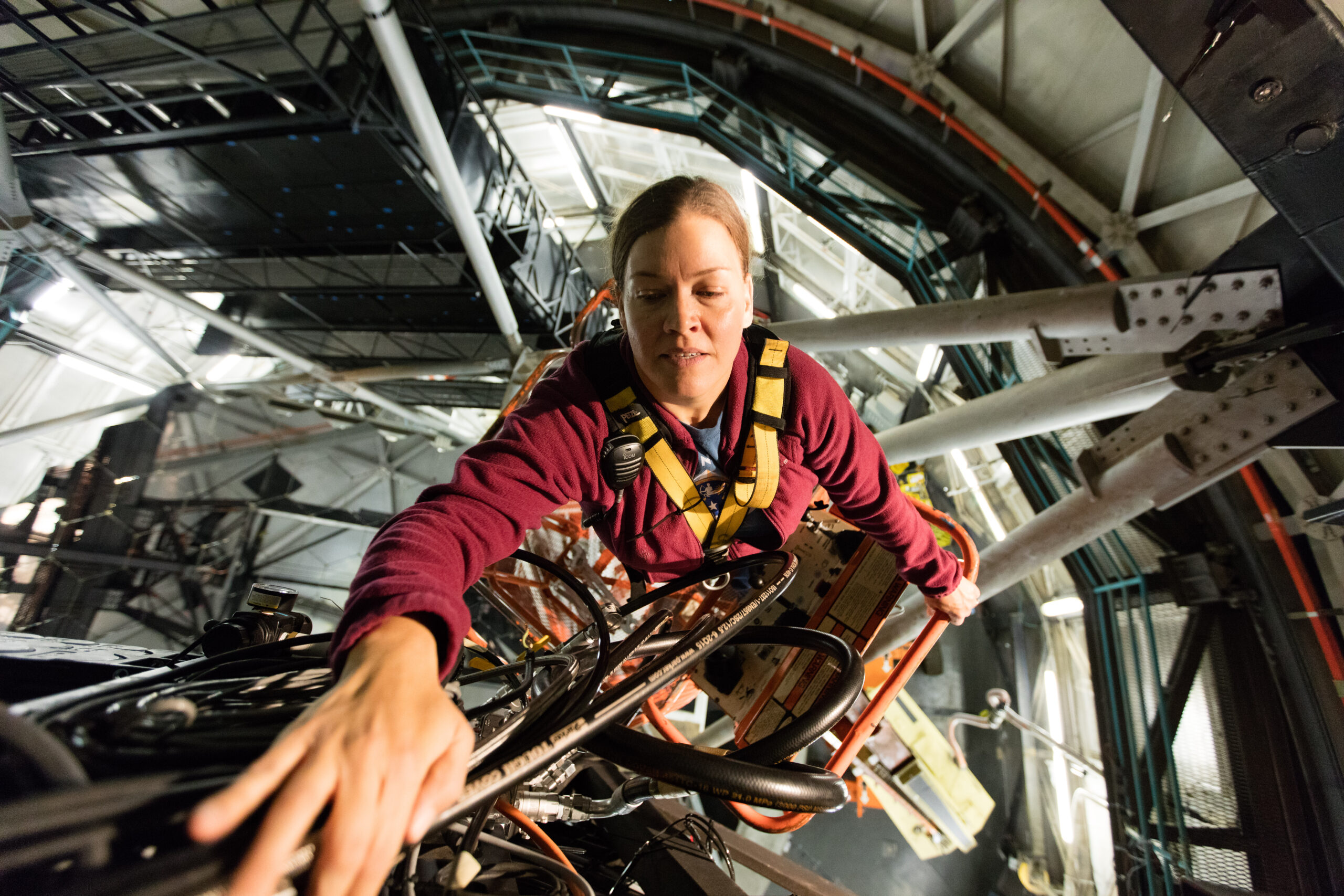
Working on HET 3
Hobby-Eberly Telescope Mechanical Engineer Emily Mrozinsky works on the telescope. Credit: Ethan Tweedie Photography
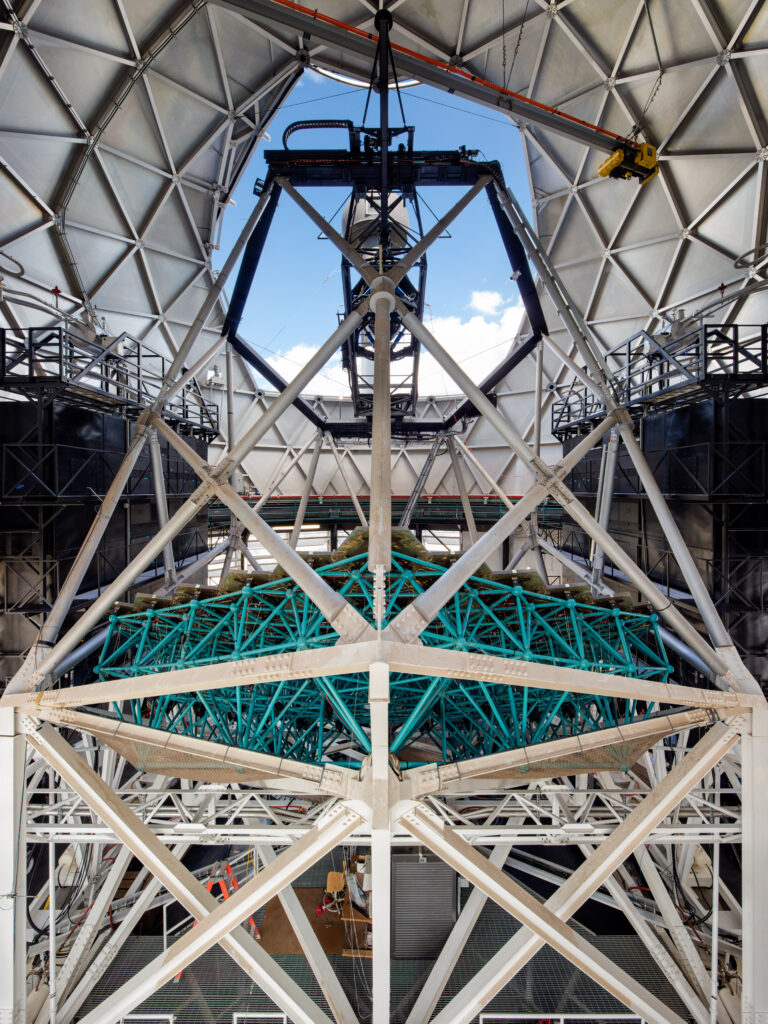
HET Back View
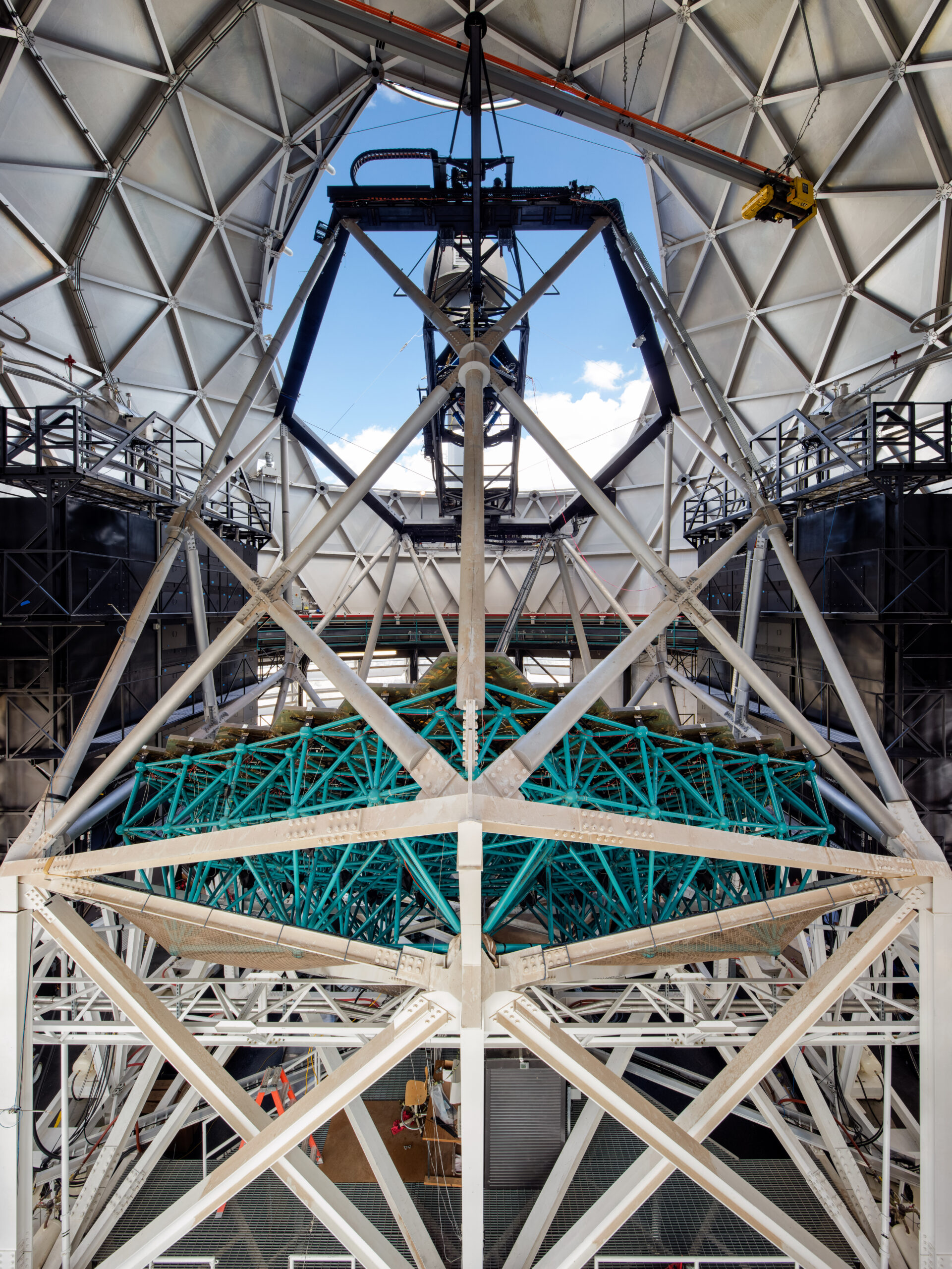
Back view of the Hobby-Eberly Telescope shows support structure of the primary mirror (turquoise), as well as the tracker above the mirror that supports the new Harold C. Simmons Dark Energy Optical System (top center). (Ethan Tweedie Photography)
HET Mirror through Dome
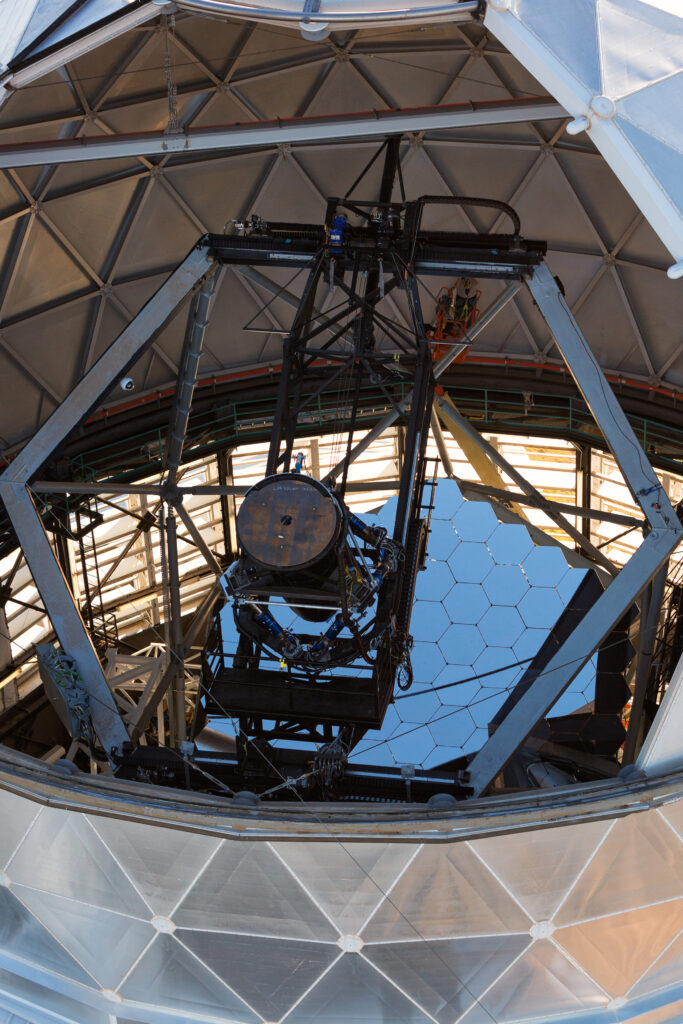
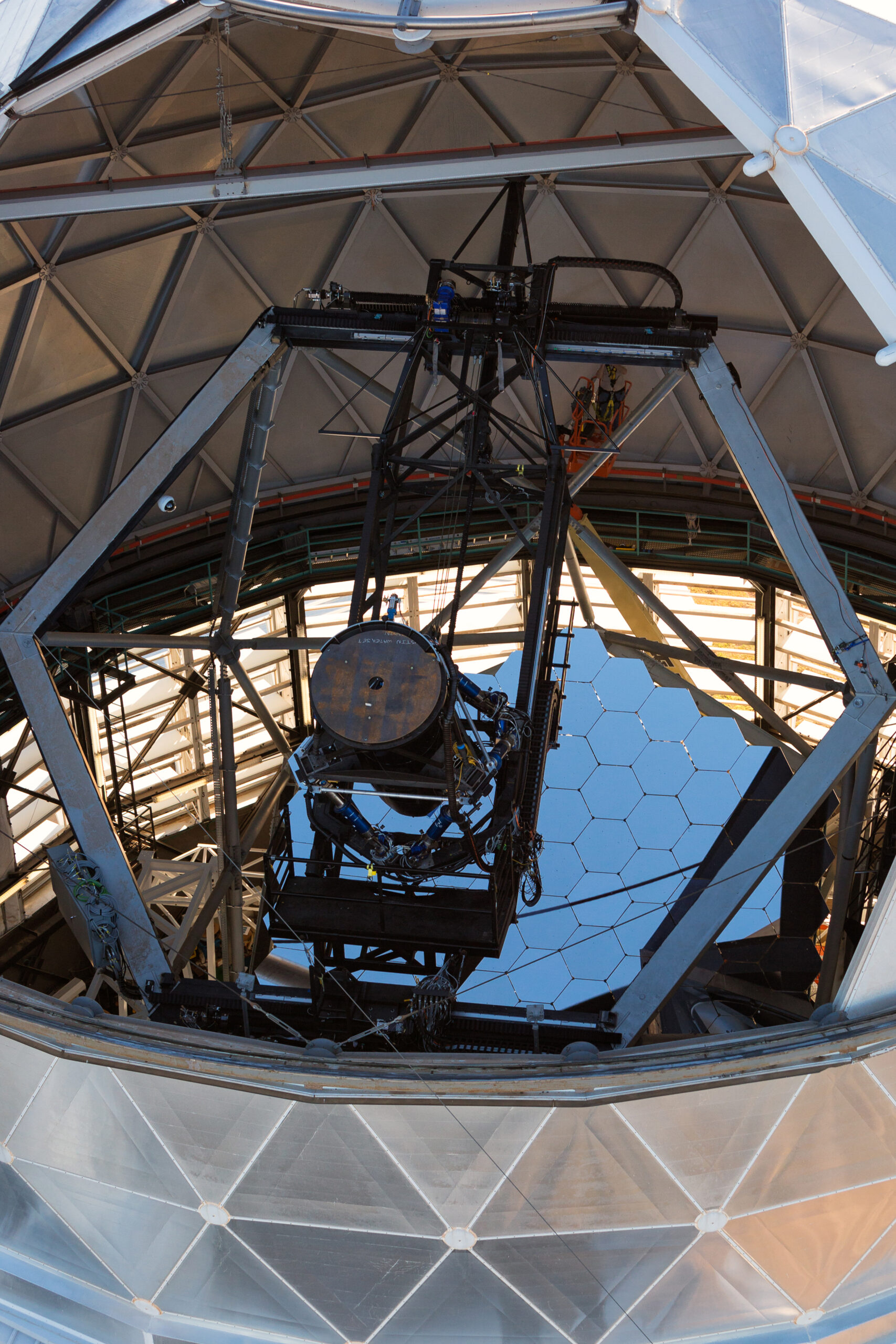
Looking into the open dome of the Hobby-Eberly Telescope reveals the 91 segments of its primary mirror. Credit: Ethan Tweedie Photography
HET with Star Trails (horizontal)
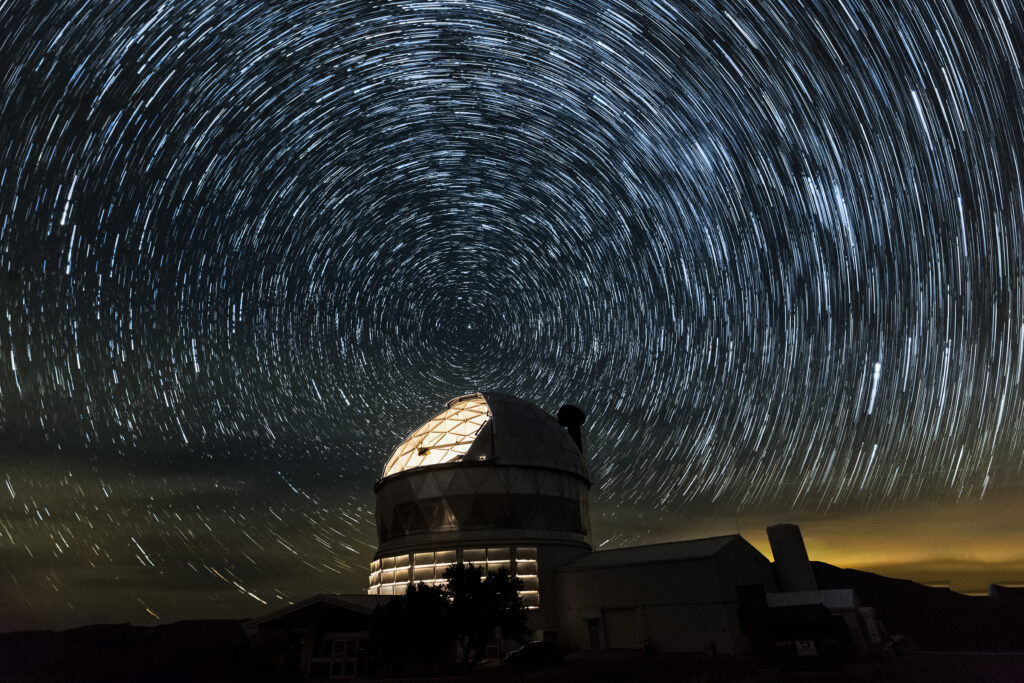
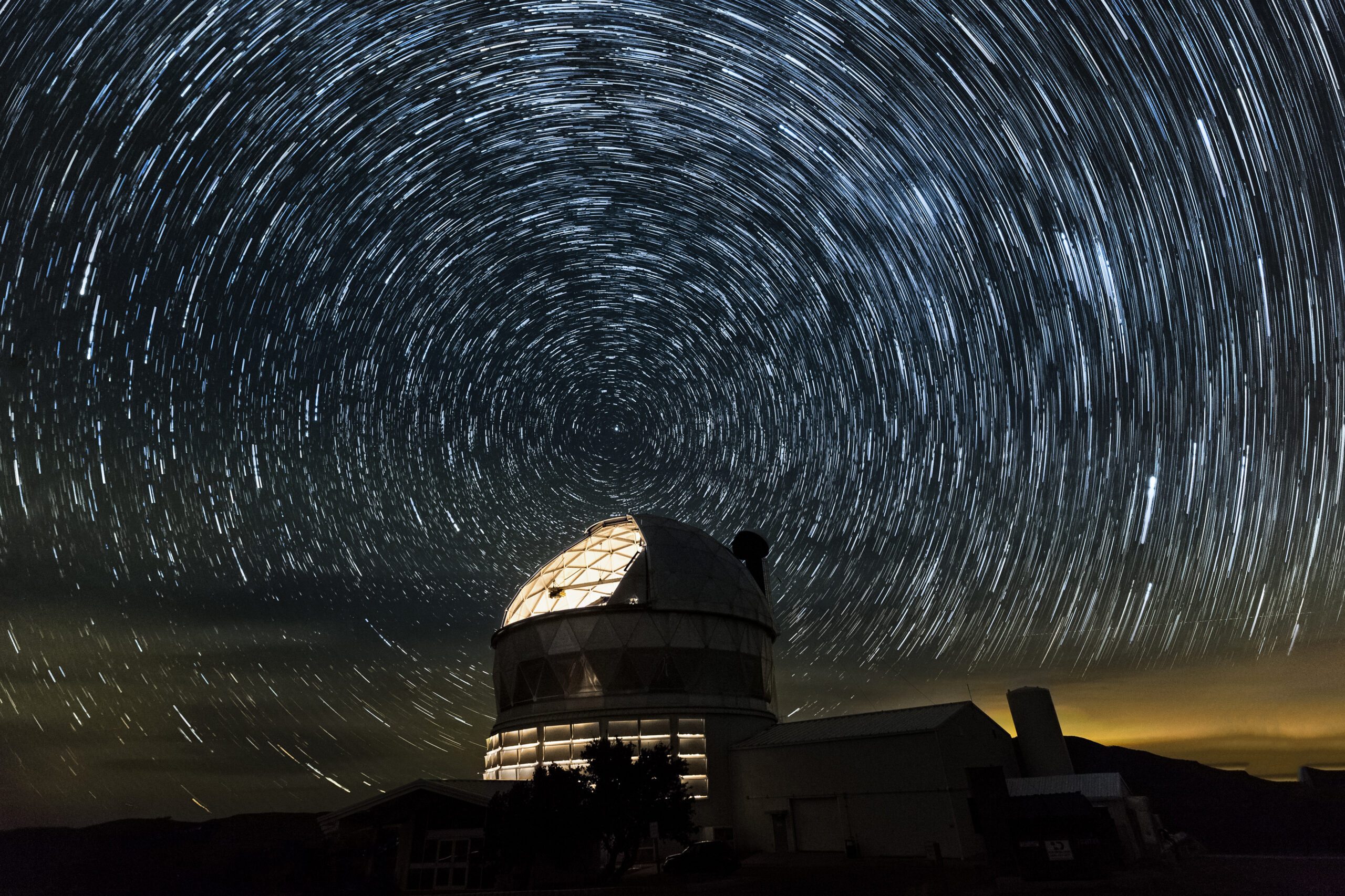
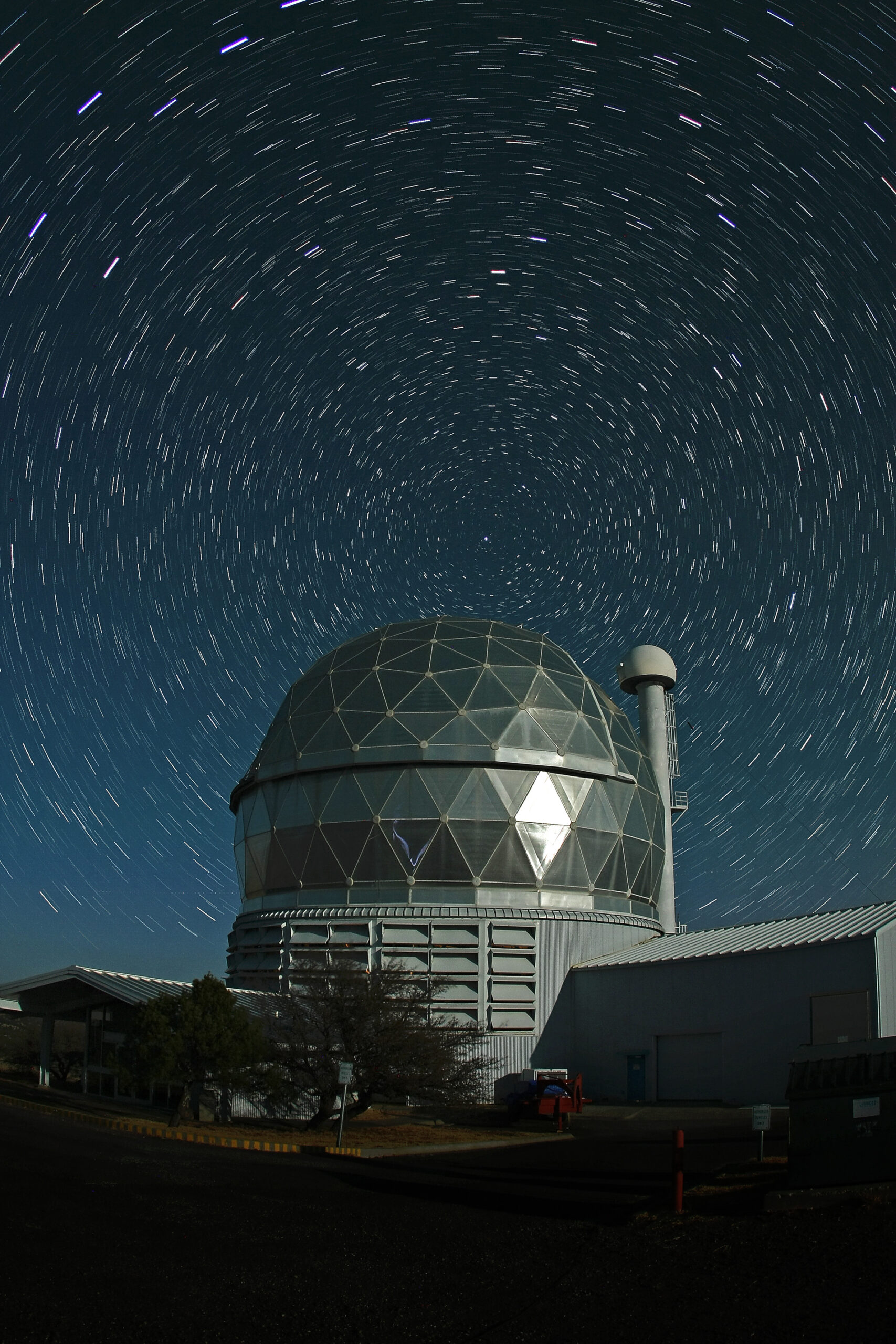
Star trails swirl around Polaris, the North Star, above the Hobby-Eberly Telescope. Credit: Ethan Tweedie Photography
HET Panorama with Clouds
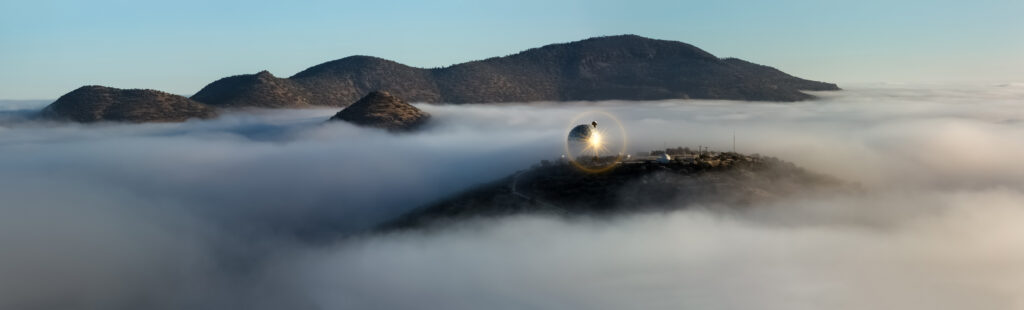
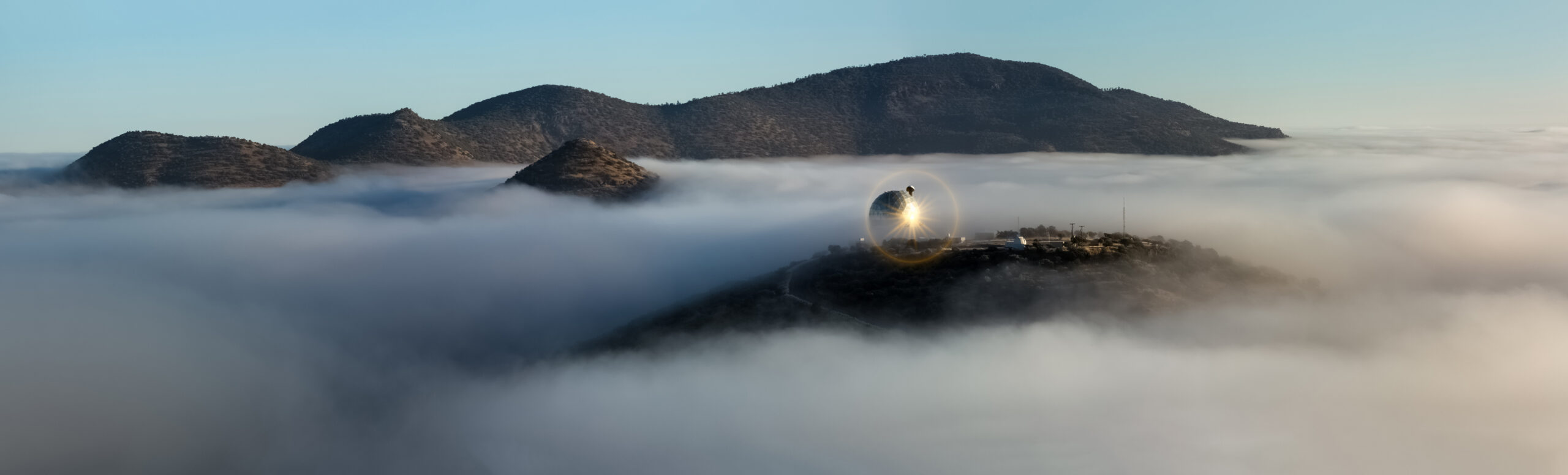
The Hobby-Eberly Telescope is surrounded by clouds and highlighted with a lens flare in this panoramic image. Credit: Ethan Tweedie Photography
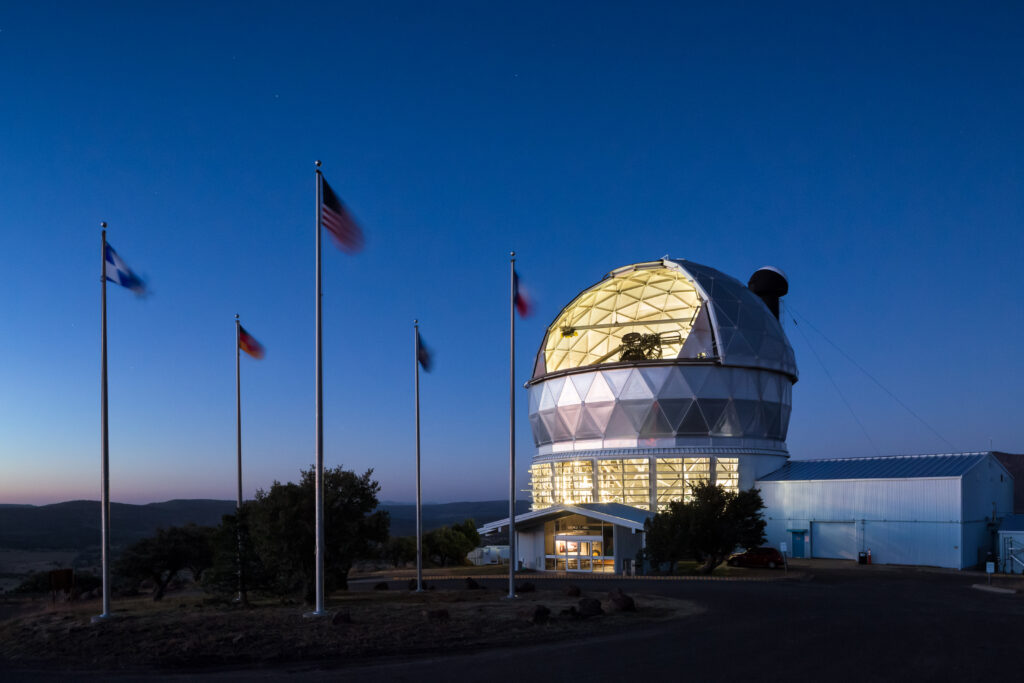
HET Dome at Dusk
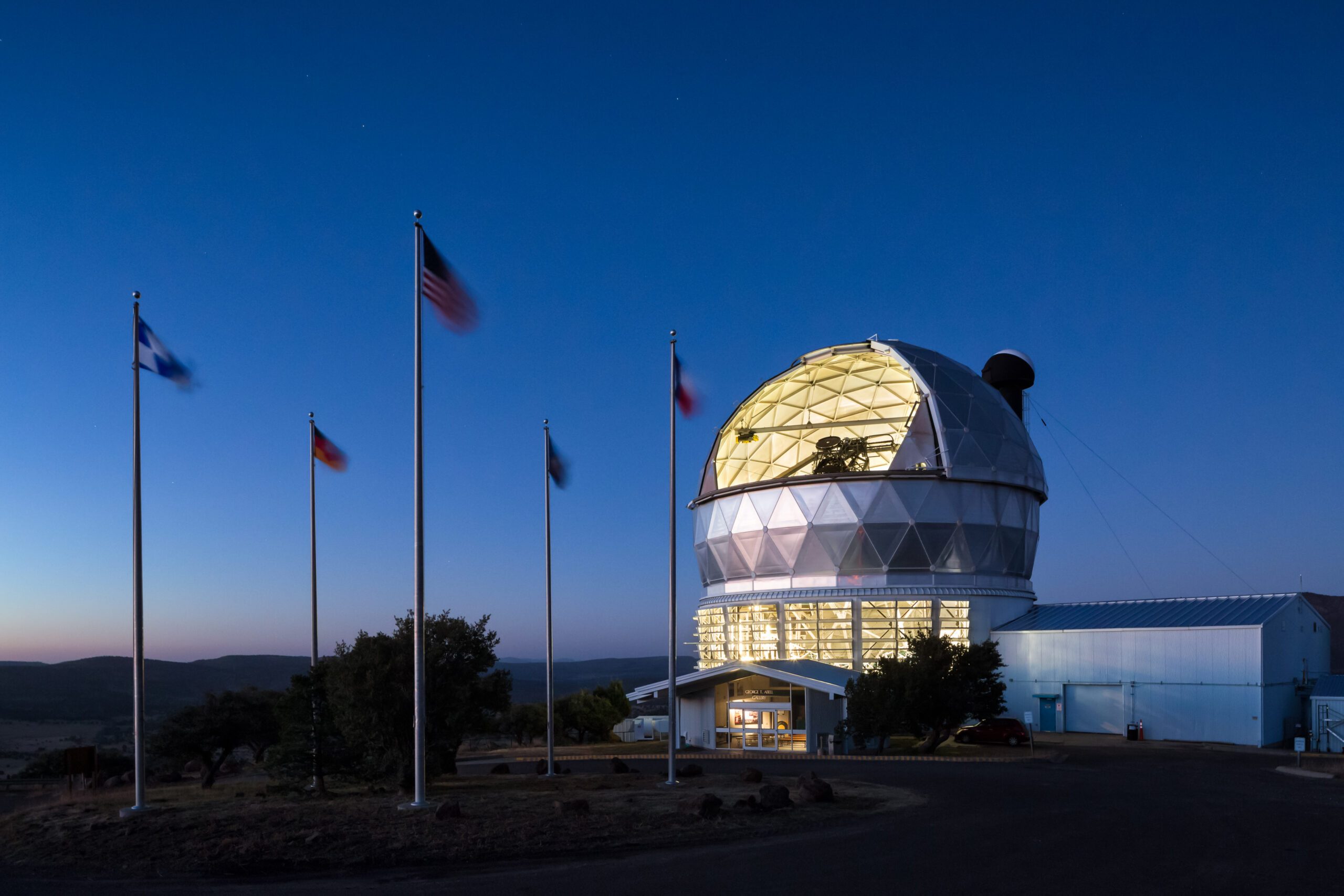
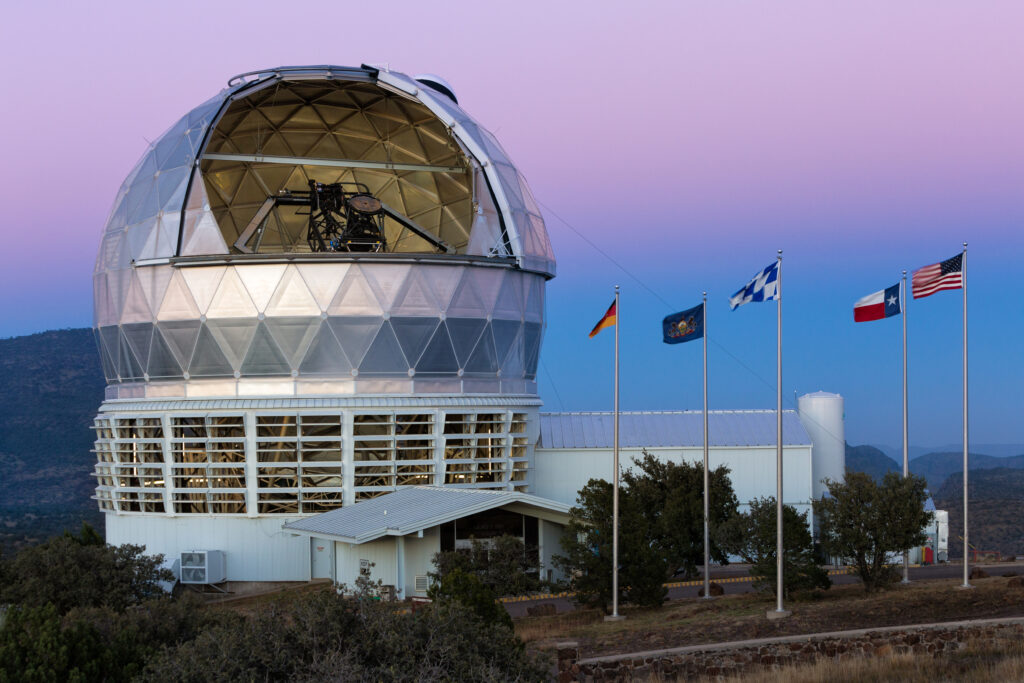
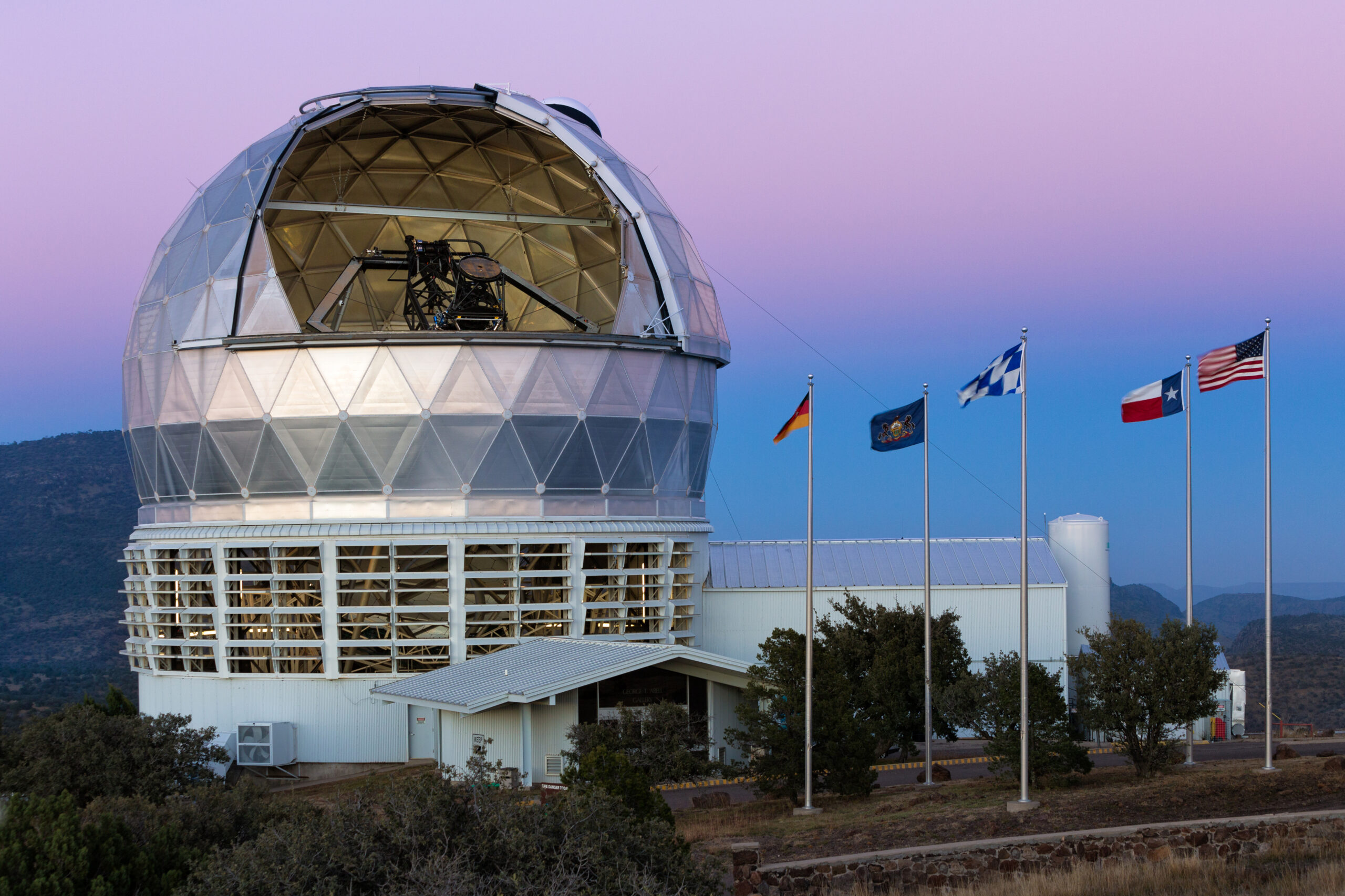
The Hobby-Eberly Telescope at dusk. The flags of the four partner institutions fly with the U.S. flag outside the open dome. Credit: Ethan Tweedie Photography
HET with Star Trails
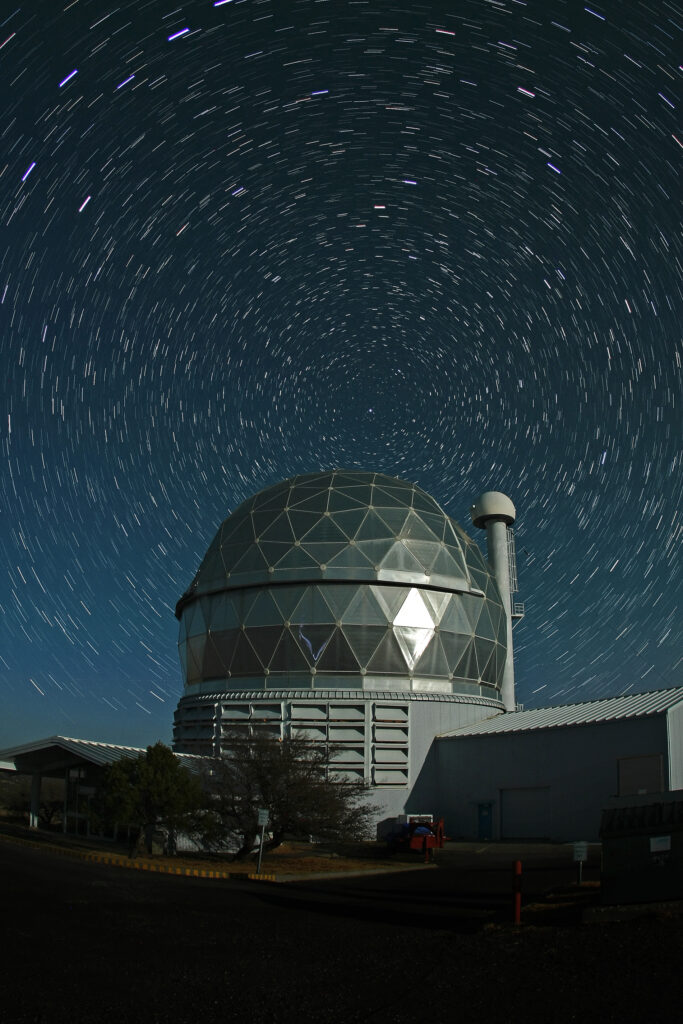
The Hobby-Eberly Telescope is surrounded by star trails centered on Polaris, the North Star. Credit: Frank Cianciolo, McDonald Observatory.
Silver and Gold HET
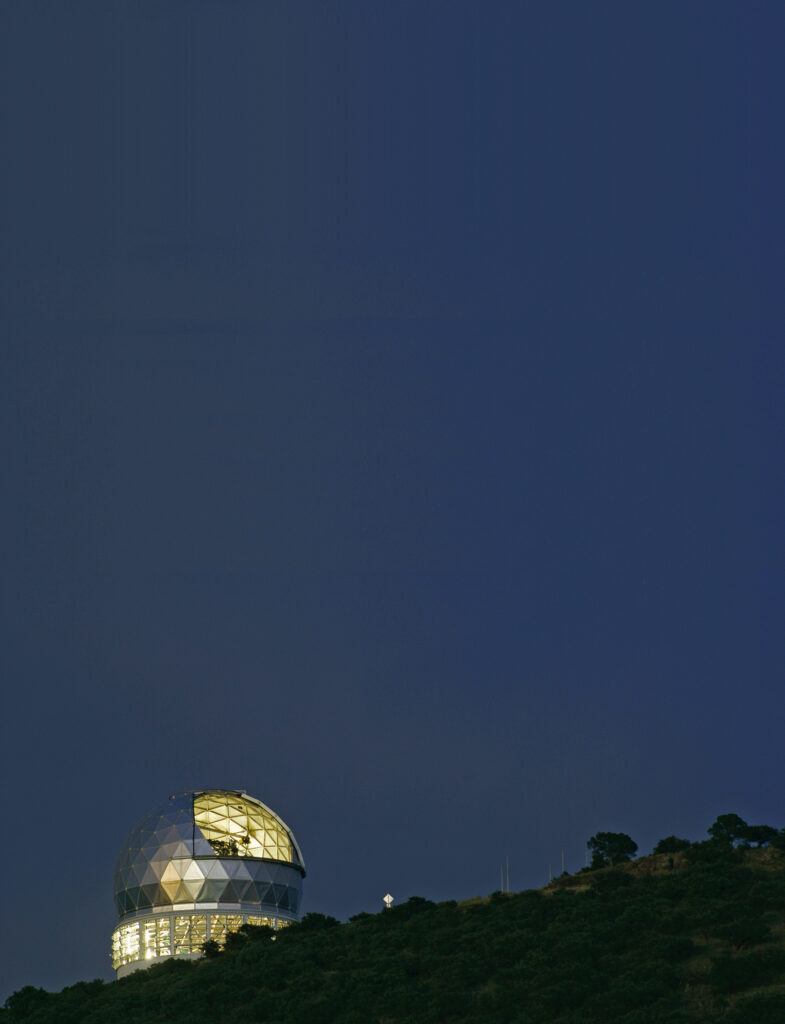
The Hobby-Eberly Telescope gleams in silver and gold against a deep blue night sky. Credit: Damond Benningfield
Hobby-Eberly Telescope
The Hobby-Eberly Telescope in the landscape. Credit: Nolan Zunk, University of Texas at Austin
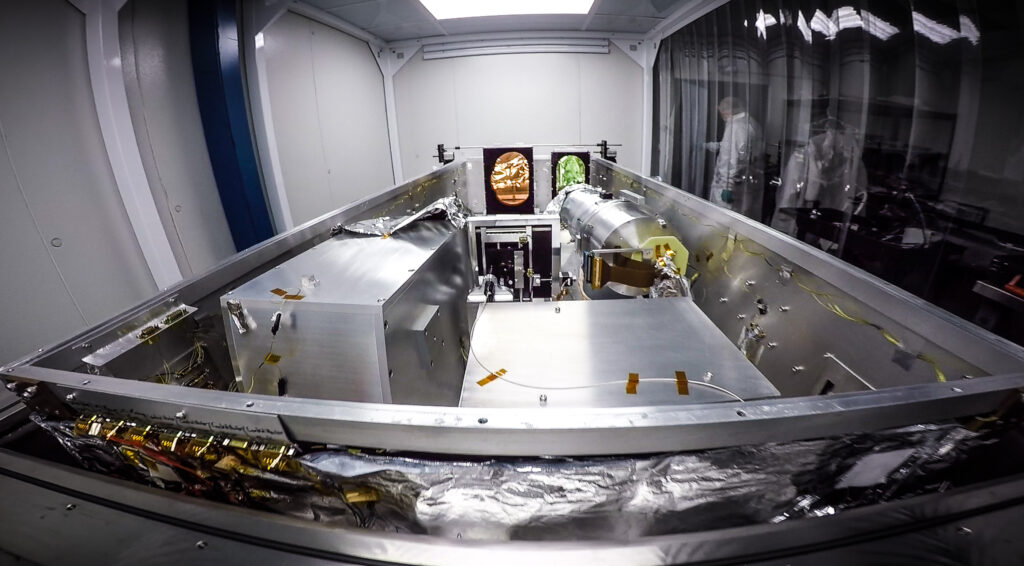
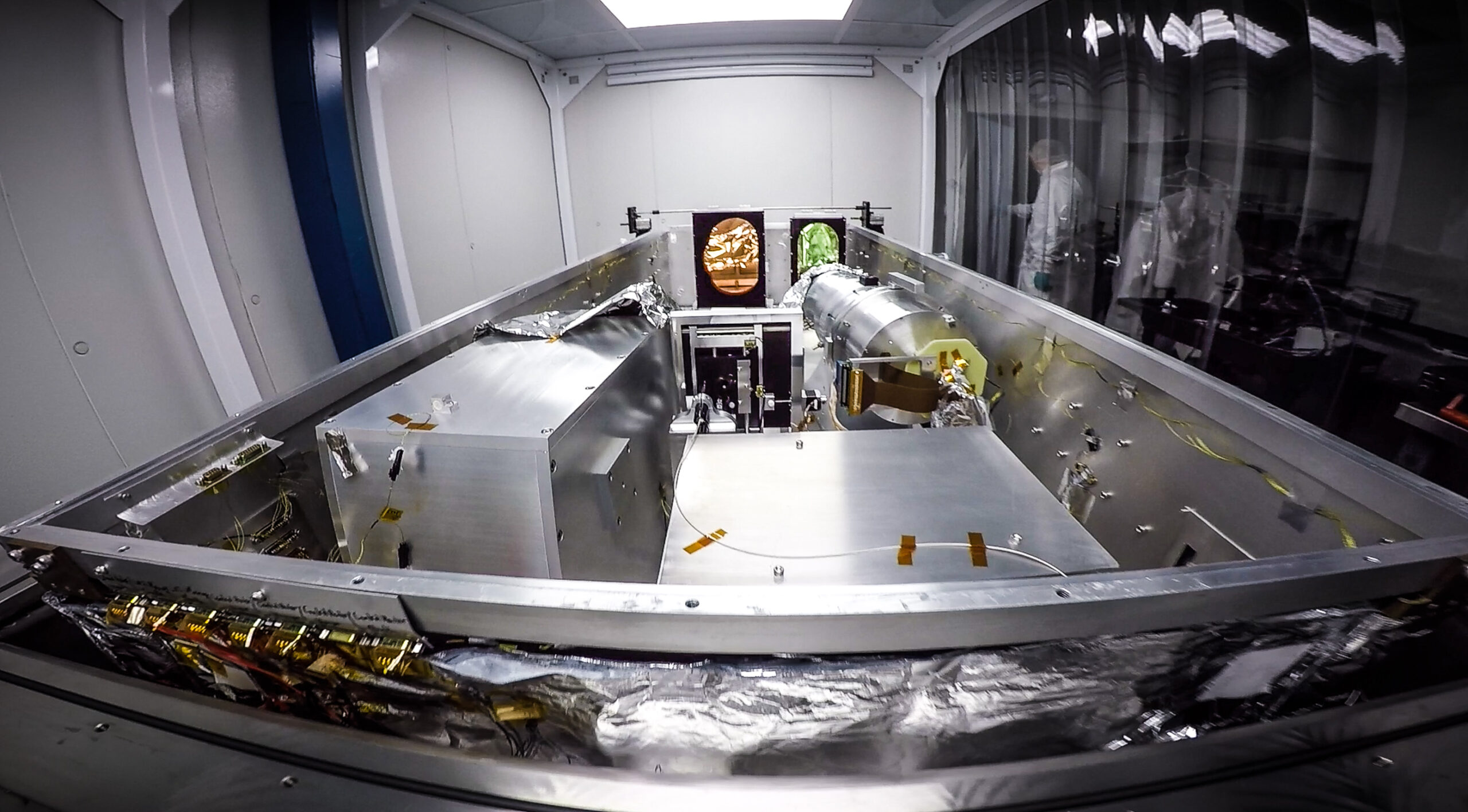
Habitable Zone Planet Finder
The Habitable Zone Planet Finder instrument during installation in its clean-room enclosure in the Hobby-Eberly Telescope at McDonald Observatory. Credit: Guðmundur Stefánssonn, Penn State
VIRUS Focal Surface
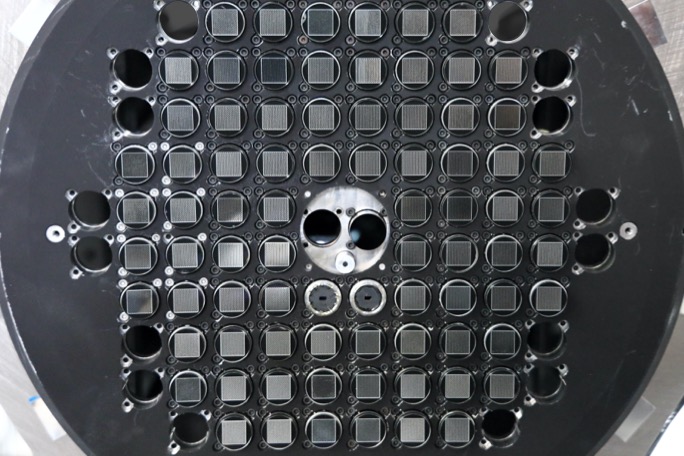
This image shows the ‘focal surface’ of the Hobby-Eberly Telescope, where the optical fibers of VIRUS are arrayed. The circles each contain a square grid of 448 fibers. When the telescope is pointed and VIRUS takes an observation, each of the 32,000 fibers takes a spectrum simultaneously, recording a vast array of information on the speed, direction, and chemical makeup of every point inside the field of view, which is about the size of the full Moon. Credit: J. Pautzke, E. Mrozinski, G. Hill, HETDEX Collaboration